
Branding Agency Cost: A B2B Budget Guide

Ask three agencies for a branding quote and you may get three different projects back. One prices a logo and a color palette. Another adds research, positioning and guidelines. A third includes rollout across the website, sales decks and packaging. All three call it branding.
That is why branding agency cost only makes sense once the scope is clear. This guide explains what sits inside a branding project, what moves the price and how to compare proposals. We use Align's own price bands as the example because they are the numbers we can stand behind.
Quick Answer: How Much Does a Branding Agency Cost?
At Align, branding projects fall into three bands:
| Band | Price | Typical fit |
|---|---|---|
| Basic | $1,000 to $3,000 | A focused identity or refresh for one company and one main audience |
| Advanced | $3,000 to $6,000 | Research, a brand brief, a full identity system and guidelines |
| Premium | $6,000 and up | Several audiences or sub-brands, more applications, a planned rollout |
Most projects take seven to nine weeks from the first call to launch-ready assets. Research and the brand brief take the first two weeks; the rest is identity design, refinement and rollout. Naming, packaging or several sub-brands add time, and that should be said before the quote, not after.
Not sure which band you are in? Tell Align what is prompting the project and we will say which band fits after a first conversation.
First, Define What "Branding" Means for Your Project
Branding can mean three different layers of work:
- Strategy: who the brand is for, where it sits in the market and what it says.
- Identity: the logo, color, typography and the rules that hold them together.
- Rollout: putting the identity onto the website, decks, signage, packaging and social.
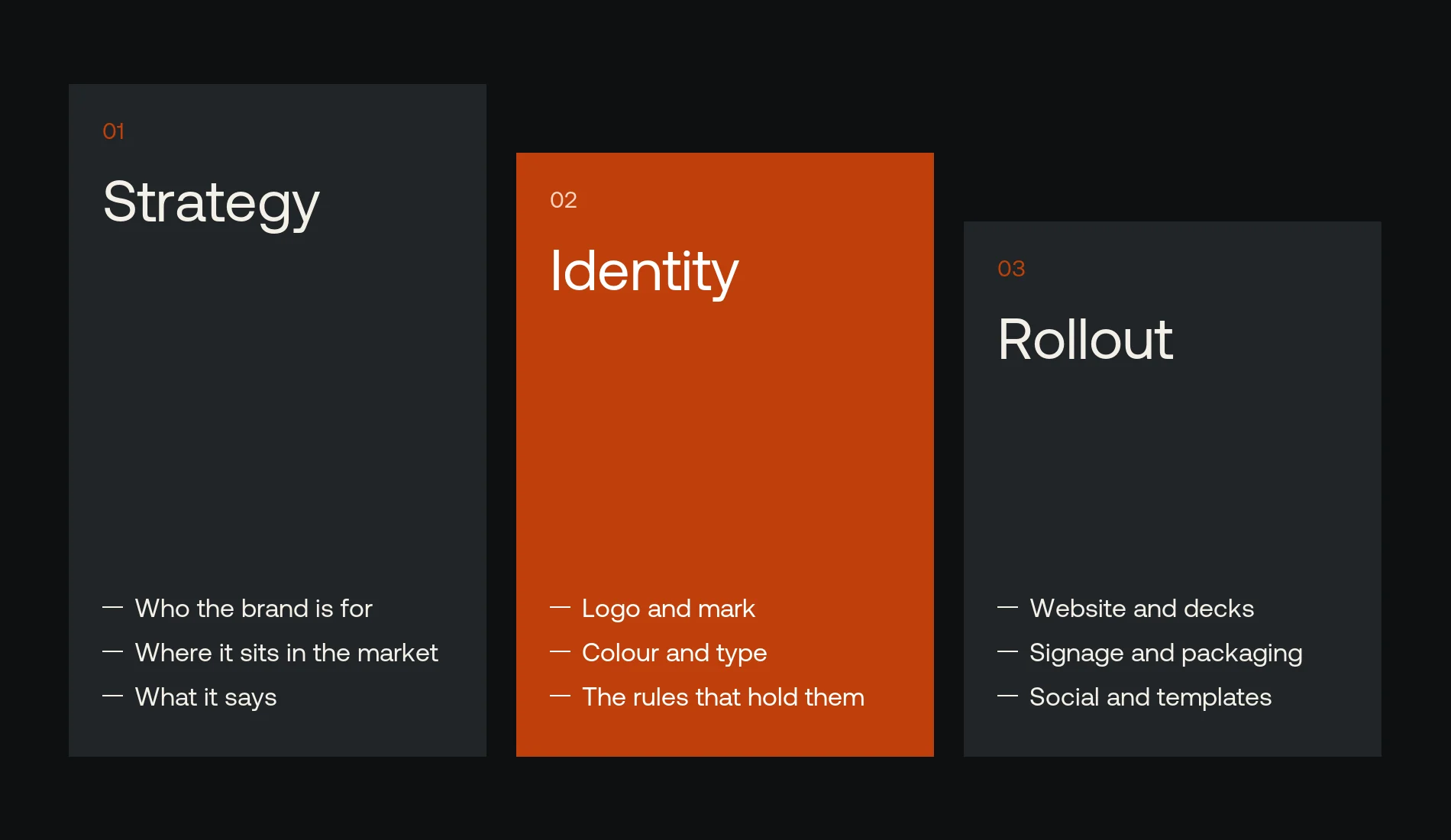
Each layer builds on the one before it. A quote that skips strategy is pricing the identity alone.
Some companies need all three. Others need a refresh of the identity, or better guidelines so the existing one is used properly.
Write down what triggered the project before you ask for a quote. Launching a company, entering a new market, merging offers, preparing for a website redesign and cleaning up inconsistent materials are different problems. The trigger tells an agency whether you need a cosmetic update or a strategic change.
What Drives Branding Agency Cost?
Research and strategic depth
Research can cover stakeholder interviews, competitors, the audience and how the category already looks and talks. A company trying to stand out in a crowded market needs more of it than one tidying up an identity that already works.
Ask whether the proposal includes a written brand brief and which decisions it will settle. At Align the brief covers purpose, audience, positioning, personality and messaging, and it comes before any logo sketches. If you already have research, share it. A good agency will say whether it is enough.
Audiences, products and sub-brands
A company that sells to several groups needs a system that flexes without falling apart. A portfolio of products, acquired brands or regional divisions adds architecture decisions. The agency has to understand how the pieces relate before it designs a mark for each.
ETA Transit is a good example. It had grown from one product into a platform, with new AI products on the way, and the old identity changed from one product to the next. Align designed one mark that every product could sit under, readable as an app icon and on the screens inside a bus.
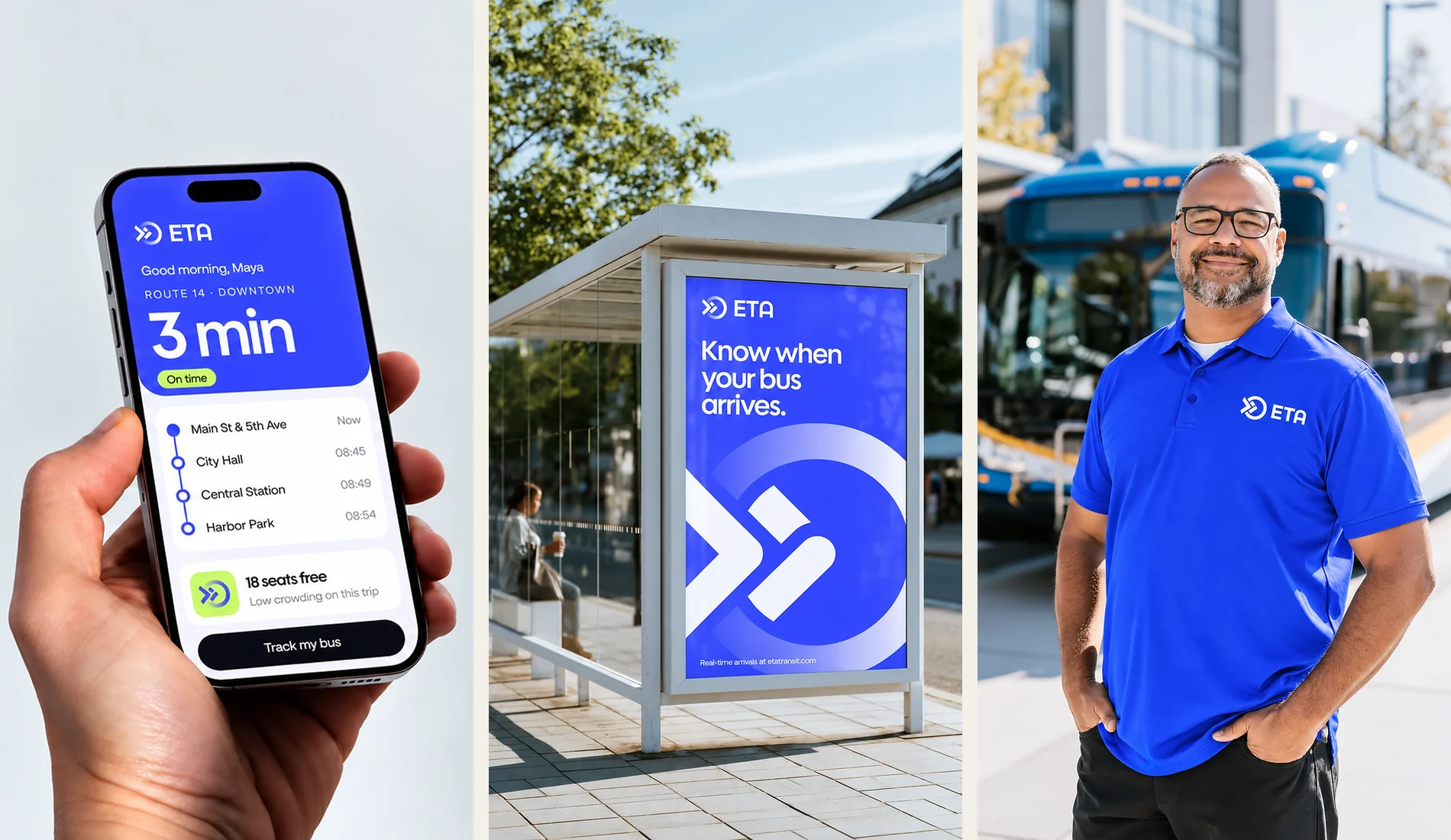
One mark for every ETA product, tested on a phone, a bus shelter and a uniform before it was signed off.
Deliverables and applications
A logo on its own is a small deliverable. A full identity also needs typography, color, layout rules, icons, photo direction, templates and guidelines. Each application, whether a website, a pitch deck, signage, uniforms or packaging, adds design and review time.
List everywhere the identity has to work in the first year. Then ask the agency to separate what you need at launch from what can come later.
| Scope | Typical deliverables | What to clarify |
|---|---|---|
| Brand refresh | Refined identity, selected templates, updated rules | What stays, and what changes? |
| Core identity | Brand brief, logo system, color, type and guidelines | Are positioning and messaging included? |
| Full brand system | Research, positioning, identity, applications and rollout | Which audiences and touchpoints are covered? |
| Naming or architecture | Name exploration, portfolio structure, verbal system | Who handles trademark clearance? (A lawyer, not an agency.) |
Creative directions and feedback
Ask how many directions you will see and how developed they are. At Align you see three directions, each one a system rather than a single mark, so you can judge it on a sign, an app icon and a document. The chosen direction is refined, not restarted.
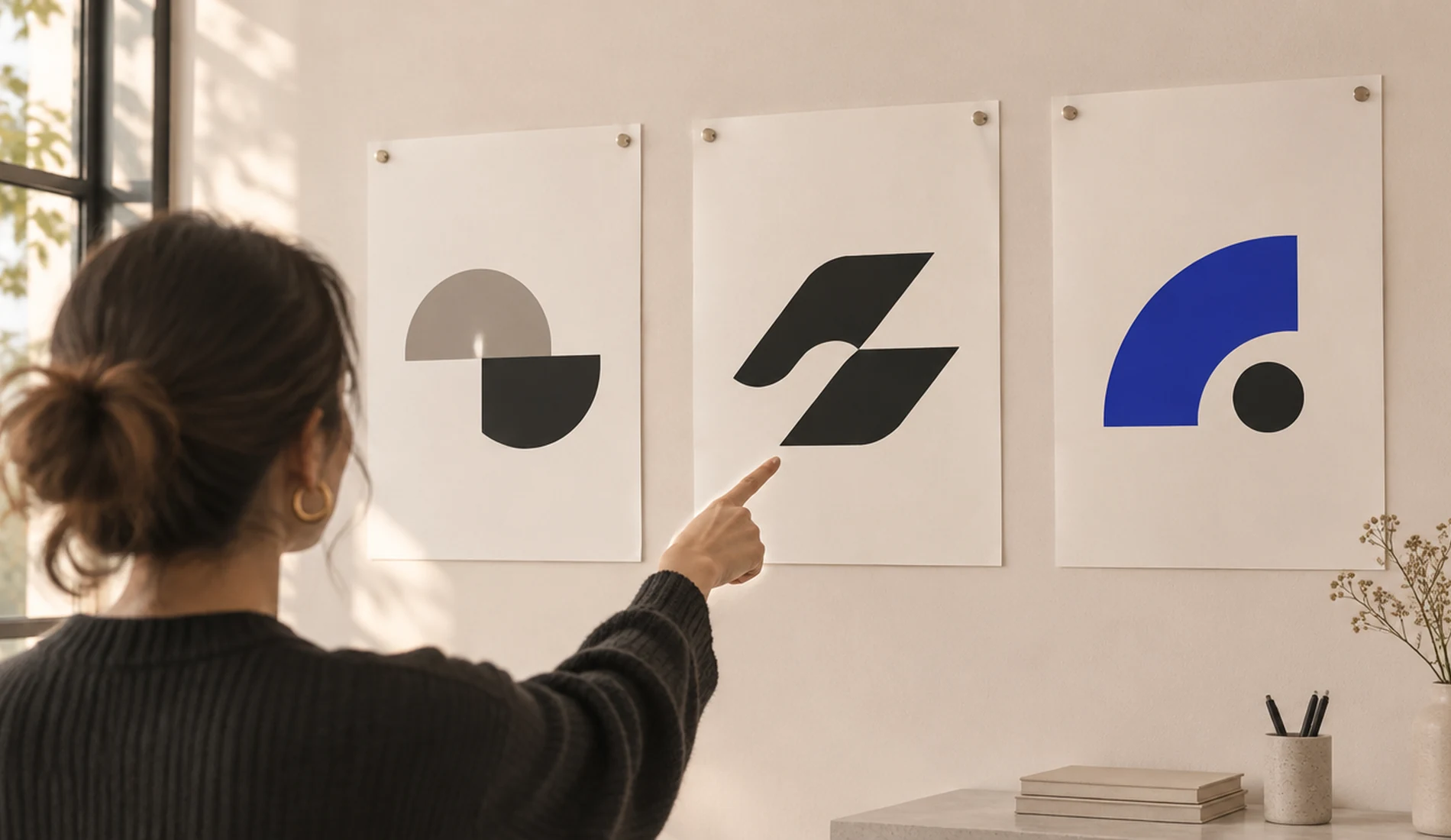
Three directions, each one a system. The one you pick is refined, not restarted.
Every extra approval layer adds time. Name one owner who collects feedback, and decide who approves strategy, visual direction and final files.
Rollout and implementation
An identity only works if people can apply it. Rollout can mean preparing files, training the team, updating templates or redesigning the website. Some companies want the agency to do all of it. Others want a toolkit their own team can run with.
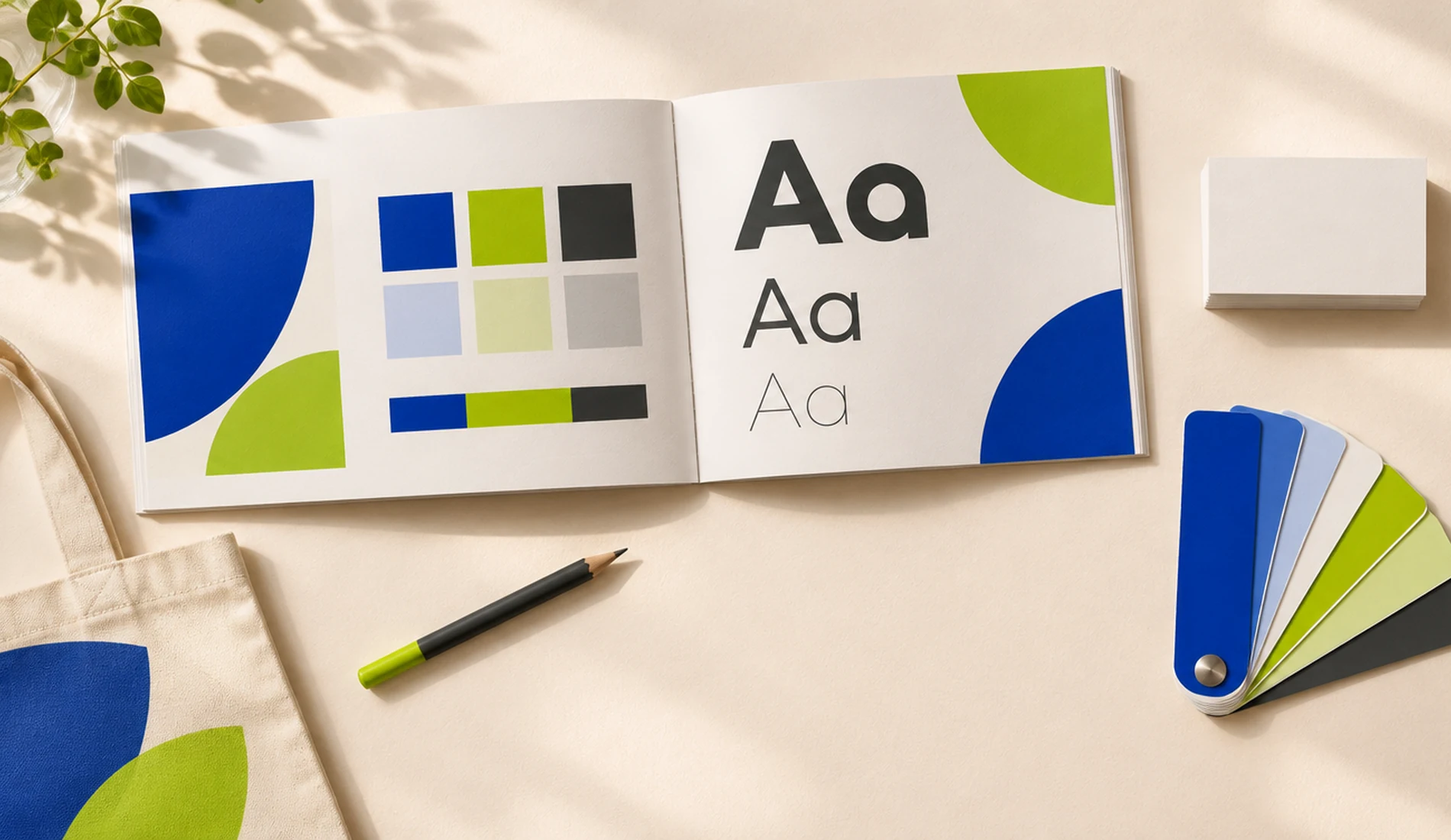
Guidelines are the part of a brand your team uses every day. Price them as a tool, not an appendix.
Ask whether website design is in the branding quote or priced separately. At Align it is separate: a rebrand and a rebuild are different decisions, and we will tell you which parts of the current site can carry the new identity so you can stage the work.
How to Compare Branding Proposals
Ask every agency to quote against the same brief, with strategy, identity, applications and rollout listed separately. Then check each proposal line by line:
| Proposal element | What to check |
|---|---|
| Discovery | Interviews, workshops and research sources |
| Positioning and messaging | What is delivered, and who approves it |
| Creative directions | How many, and how far each is developed |
| Refinement | Feedback rounds, and what counts as a new direction |
| Guidelines | Whether they cover the situations your team actually meets |
| Applications | Named assets, sizes, formats and variations |
| Files and rights | Source files, font licences and usage terms |
| Rollout | Launch support, training and who does what |
A price with no assumptions needs a follow-up question. So does a long list of deliverables with no review process.
A Case Study: An Identity Built for Daily Use
Bizen Catering cooks meals for factory workers in Dong Nai, Vietnam, and supplies drinking water and ice. Align built its logo from six elements: water, fire, people, a heart, cooperation and a meal tray. Then we carried the identity onto uniforms, packaging, signage and marketing materials.
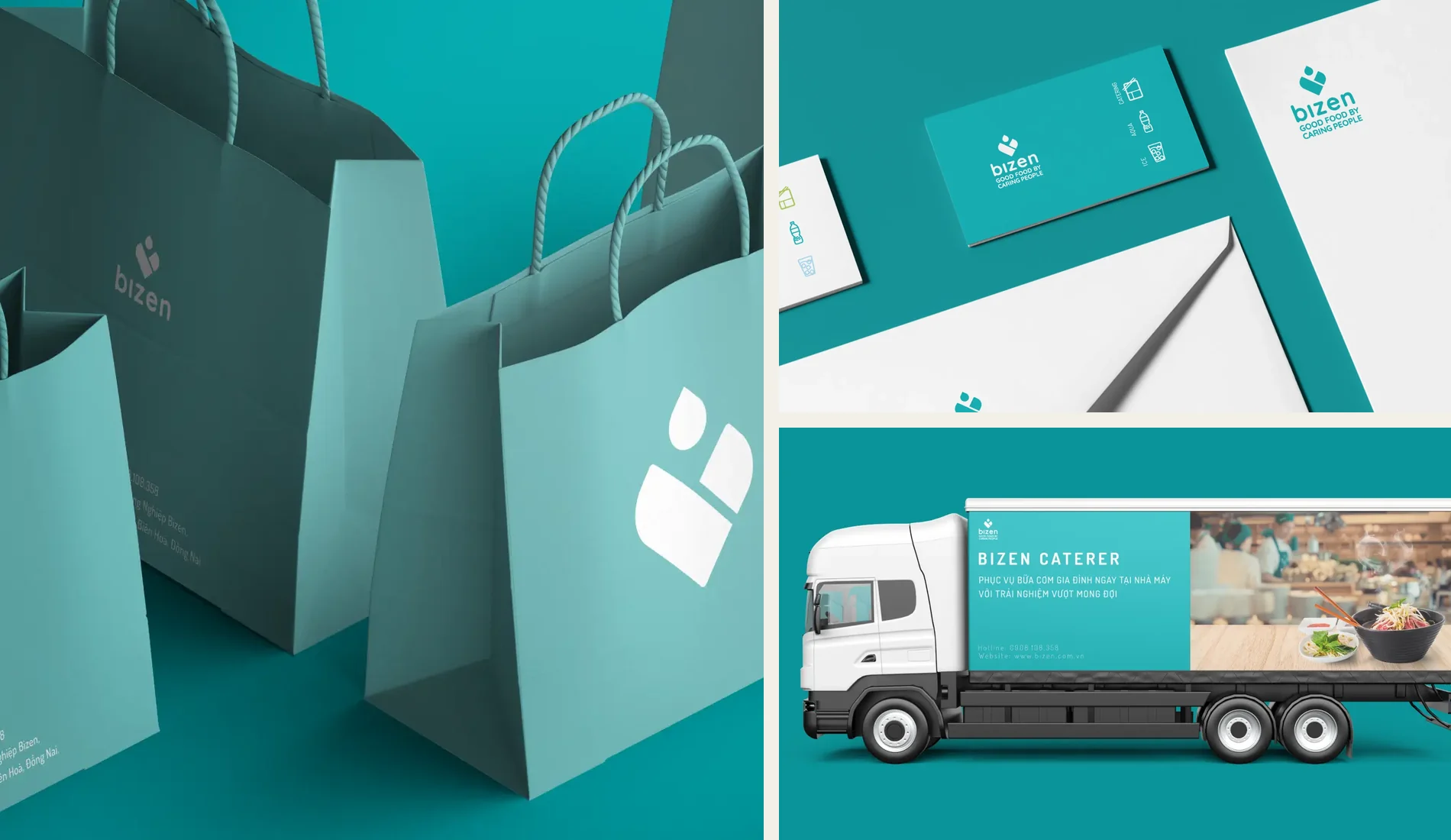
Bizen's identity on the bags, stationery and trucks the team handles every day.
The budgeting lesson is to price the system your team will actually use. If staff and suppliers will apply the brand without calling the agency, the guidelines need enough detail for routine decisions. If you are launching a new offer, messaging may matter more than a long list of decorative assets.
Branding Budget Checklist
Before choosing an agency, answer these:
- What business change is prompting the project?
- Which audiences, products and markets does the brand have to serve?
- Is research or positioning needed, or do you have it already?
- Does the scope cover messaging as well as visuals?
- Which applications are essential at launch?
- How many directions and feedback rounds are included?
- Who collects feedback and approves the work?
- Are source files, licences and usage rights covered?
- Is rollout, training or website work included?
- Which tasks need a trademark lawyer?
If several answers are unknown, start with a strategy phase before asking for a full identity quote.
Frequently Asked Questions
Does a branding quote include a website?
Not usually. Ask whether the proposal covers UX, page design, development, CMS setup and SEO. At Align, website projects are priced separately, from $2,000.
Is brand strategy different from visual identity?
Yes. Strategy decides audience, positioning and messaging. Identity expresses it through the logo, color, type and imagery. Most growing B2B companies need both, but the scope should say which one you are buying.
Should we rebrand or refresh?
A refresh is enough when the strategy still holds and the identity is just inconsistent or dated. A rebrand fits when the audience, the offer or the company itself has changed.
How long does a branding project take?
At Align, most projects run seven to nine weeks from the first call to launch-ready files. The first two weeks go to research and the brand brief, so the design work starts from decisions rather than taste. Projects with naming, packaging or several sub-brands take longer, and the timeline is set before the quote, not after it.
What does a branding project at Align include?
A brand strategy direction, market and competitor research, a logo suite, a color palette and type system, brand guidelines, and the digital and print applications agreed in the scope. Files are organized so your team can use them without coming back to us for every new document.
Does the agency handle trademark registration?
No. Agencies develop names and identities, but clearance and registration belong with a qualified trademark lawyer. The USPTO's trademark basics explain what that involves in the US.
Planning a Brand Project?
See how Align's branding service runs from research to rollout, or tell us what is prompting the project. We will recommend a scope and tell you which band it falls into before you commit to anything.


