Many business leaders view design as a cosmetic luxury, yet the financial reality tells a far more compelling story about profitability. When you prioritize UX design, ROI investment becomes a measurable engine for growth rather than a vague aesthetic goal. By aligning user needs with business objectives, companies transform their digital products from simple tools into high-performing assets that capture and retain market share.[1]
Investing in a seamless user experience does more than just please the eye; it actively reduces the friction that leads to abandoned carts and lost leads. Research indicates that every dollar spent on user experience can return up to 100 dollars in value, representing a massive 9,900% return. This efficiency makes UX design the most strategic lever available for companies looking to scale their digital presence without ballooning their marketing spend.
The Real Math Behind UX Design and ROI Investment
When most business leaders hear the word design, they often visualize colors and typography. However, the most successful organizations realize that design is actually a financial strategy. The relationship between UX design and ROI investment is rooted in efficiency and risk mitigation. When you build a product around the user from day one, you are not just making it pretty; you are ensuring it functions as a high-conversion engine that minimizes waste.
Moving beyond aesthetics to business outcomes
Design is a problem-solving framework that directly addresses the friction points in a customer journey. By streamlining navigation and clarifying value propositions, UX design reduces the cognitive load on your users, which leads to higher engagement rates and lower customer support costs. Instead of treating design as a final polish, companies that integrate it into their core strategy see it reflected in their quarterly earnings and market valuation.
The 1:100 rule: Why fixing it now costs less than fixing it later
There is a well-documented principle in software engineering and product design: it is far cheaper to fix a problem during the design phase than it is to rewrite code after a launch. This is often referred to as the 1:100 rule. Research from sources like Mindset Consulting highlights that every dollar invested in user experience can return up to $100 in value. This massive return comes from avoiding expensive reworks, reducing development time, and ensuring the product hits the mark the first time it reaches the user.[2]
Quick Breakdown: UX Profit Drivers
- Lower Acquisition Costs: Intuitive interfaces help users convert without expensive manual intervention.
- Increased Retention: A frictionless experience builds brand loyalty and reduces churn.
- Development Efficiency: Prototyping catches usability flaws before a single line of code is written.
- Support Savings: Clearer workflows mean fewer help desk tickets and customer complaints.
How user-centricity directly impacts the bottom line
Ultimately, a user-centric approach ensures that your product remains relevant in a competitive market. When users feel understood, they are more likely to complete transactions and recommend your service to others. By focusing on the human at the other end of the screen, you turn your digital platform into a self-sustaining growth tool that justifies every cent of the initial investment.
UX design is not a cost center; it is the most effective insurance policy a company can buy against product failure and market irrelevance.
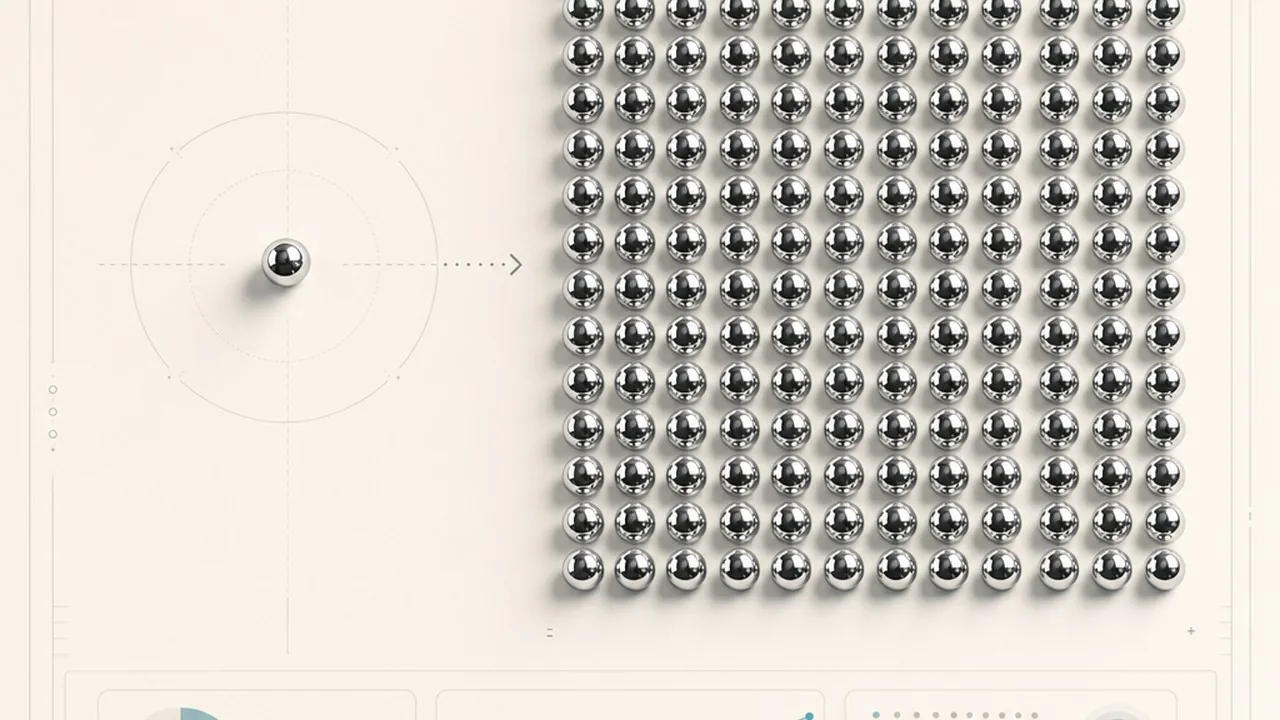
Conversion Rate Optimization Through Frictionless Design: UX Design, Roi Investment
In the world of digital product development, revenue is the ultimate metric for success. High-quality UX design serves as the engine for conversion by removing the invisible barriers that prevent users from completing a purchase or signing up for a service. When you reduce the friction between a user’s intent and their final action, the ROI investment becomes visible almost immediately through increased transaction volumes and higher average order values.
Reducing cognitive load to speed up the checkout process
Every additional field in a form or unnecessary click in a navigation menu adds to a user’s cognitive load. When a person feels overwhelmed by choices or confused by a layout, they are statistically more likely to abandon their cart. Streamlining these paths through intuitive UX ensures that the transition from ‘browsing’ to ‘buying’ is as effortless as possible; this is where design directly fuels the bottom line.
Revenue Growth via Frictionless UX:
- Simplified Navigation: Faster product discovery leads to higher intent.
- One-Click Workflows: Minimizing steps reduces the chance of mid-process abandonment.
- Visual Hierarchy: Guiding the eye to the primary CTA increases click-through rates.
The psychology of trust: How professional UX builds credibility
Users make snap judgments about a company’s legitimacy based on the polish of their digital interface. A cohesive, professional design system signals to the user that your brand is reliable and secure. This psychological safety is a critical component of the ROI equation, as trust is often the deciding factor in high-value B2B or e-commerce conversions.
Case studies in micro-interaction improvements
Small design tweaks, such as adding a progress bar to a multi-step form or providing instant validation feedback on input fields, can lead to massive conversion jumps. These micro-interactions provide the subtle reassurance users need to stay engaged. By investing in these details, companies can see significant cost savings and efficiency gains across their entire customer lifecycle.[3]
Friction is the silent killer of conversion; every pixel of confusion costs your business real revenue before the customer even reaches the checkout button.
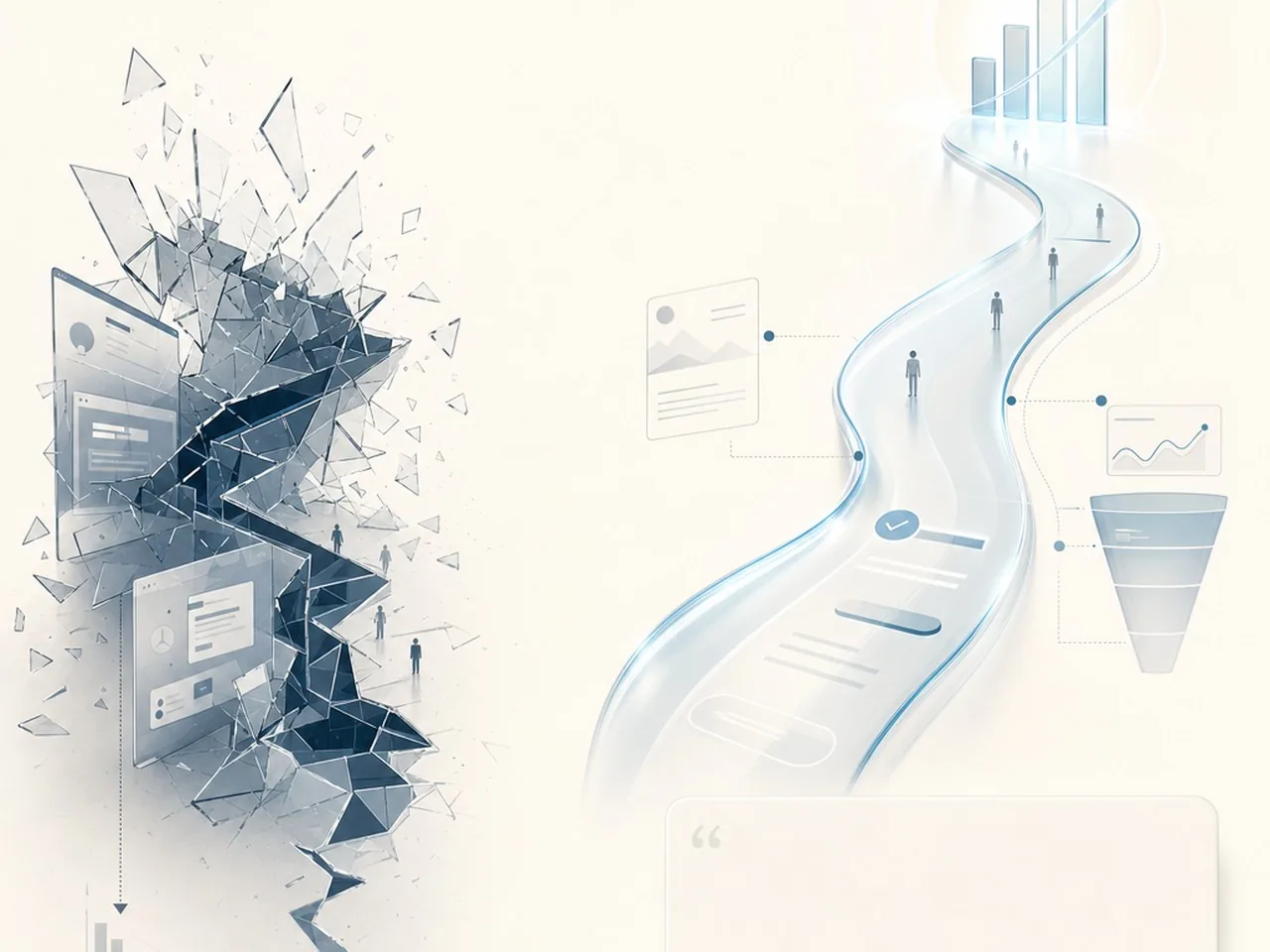
Slashing Long-term Costs: Support and Development Efficiency
While many leaders view UX design as a front-end luxury, its greatest impact on ROI investment often happens behind the scenes. By addressing usability issues during the design phase, companies can prevent the astronomical costs associated with fixing software after it has already been launched. A UX-first approach ensures that the product is built correctly the first time, saving hundreds of hours in developer rework and customer support tickets.
Lowering customer support overhead through intuitive interfaces
An intuitive interface acts as a silent support agent. When users can navigate a platform and complete tasks without friction, the volume of ‘how-to’ queries drops significantly. This reduction in support overhead allows your team to focus on high-level strategy rather than repetitive troubleshooting, directly improving your bottom line.
Reducing ‘rework’ time for developers
Development is expensive, and nothing drains a budget faster than building a feature that users find confusing or useless. UX design provides a clear blueprint, ensuring that developers spend their time writing production-ready code rather than constantly refactoring based on post-launch complaints. This efficiency accelerates your time-to-market and keeps project scopes manageable.
Validation through prototyping: Failing fast and cheap
Prototyping allows teams to test assumptions and gather user feedback before a single line of code is written. It is far more cost-effective to change a Figma wireframe than it is to overhaul a functional database. This ‘fail fast’ mentality ensures that by the time a feature hits development, it has already been validated for success.
| Project Phase | UX-First Approach | Development-Only Approach |
|---|---|---|
| Initial Build | Higher research cost; clear roadmap. | Lower upfront cost; vague requirements. |
| Post-Launch | Minimal support; high user retention. | High support volume; user frustration. |
| Long-term Maintenance | Iterative improvements. | Expensive ‘rework’ and patches. |
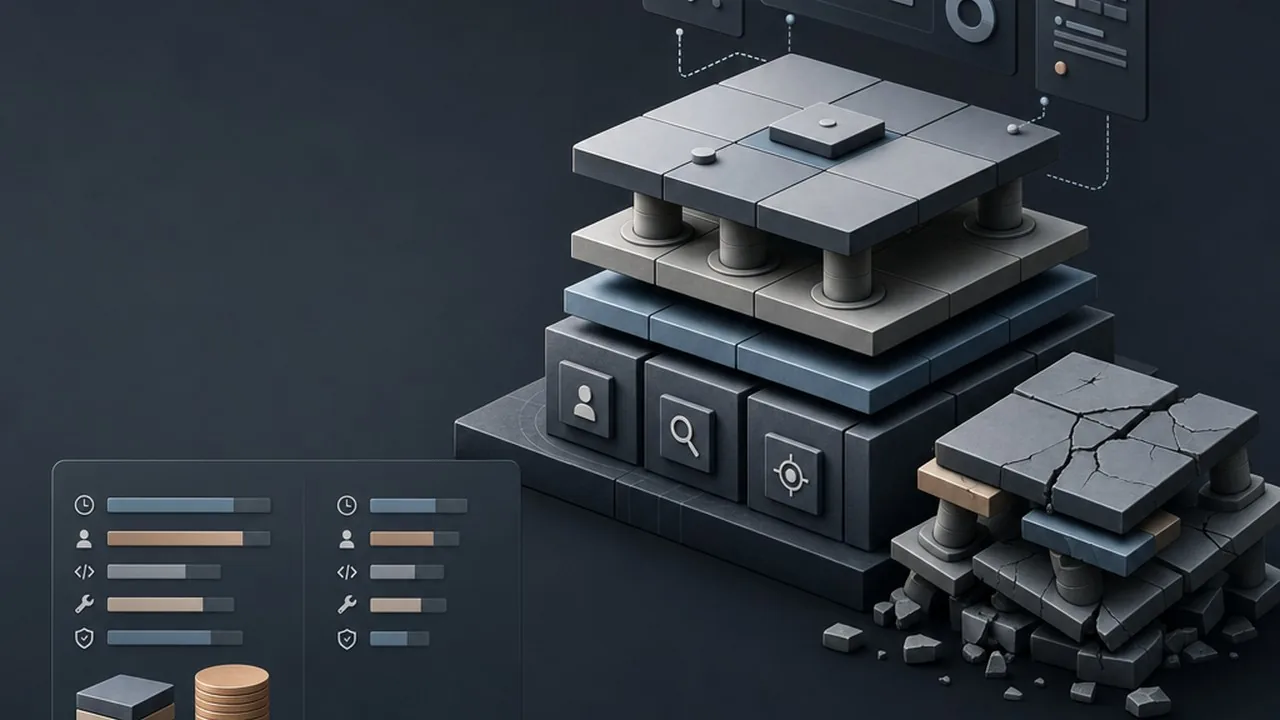
Customer Lifetime Value and the Loyalty Loop
Acquiring a new customer is significantly more expensive than retaining an existing one, which is why the long term ROI of UX design is found in the loyalty loop. When a platform feels intuitive, users don’t just complete a task; they develop a sense of mastery and trust. This emotional connection transforms a casual user into a brand advocate who does your marketing for you through word-of-mouth referrals.[5]
The impact of emotional design on brand advocacy
Design is often the first touchpoint where a brand’s personality shines through. By focusing on micro-interactions and rewarding user journeys, companies can evoke positive emotions that transcend utility. People tend to remember how a product made them feel during a moment of frustration or success, and superior usability ensures those memories are consistently positive.
Reducing churn by solving real user pain points
Churn is frequently the result of cumulative friction. When a user hits a wall or finds a process cumbersome, they begin looking for alternatives. A UX-first strategy identifies these friction points early, smoothing out the path to conversion and ensuring the product remains an essential part of the user’s daily workflow. By solving these pain points, you remove the primary reasons for customer departure.
Good design is not just about aesthetics; it is a retention strategy that builds a competitive moat around your business by making it difficult for users to imagine a simpler alternative.
Creating a competitive moat through superior usability
In a saturated market, features can be copied, but a seamless user experience is much harder to replicate. This usability becomes your competitive advantage; it is the ‘stickiness’ that keeps users from switching to a competitor even if they offer a lower price. Superior UX creates a barrier to entry for others because your customers are already habituated to your efficient, painless interface.
The Loyalty Loop Formula:
- Frictionless Onboarding: Reduces initial drop-off rates.
- Consistent Value Delivery: Encourages daily active usage.
- Emotional Connection: Drives long-term brand advocacy.
- Proactive Problem Solving: Minimizes churn through iterative updates.
Measuring Your UX Success: Metrics That Matter
To treat UX design as a high-yield ROI investment, stakeholders must move beyond aesthetic appreciation and look at hard data. Measuring the impact of design ensures that every pixel serves a business objective; it transforms subjective opinions into objective growth strategies.[1]
Tracking Task Success Rate and Time on Task
Efficiency is the engine of profitability. Task Success Rate measures the percentage of users who successfully complete a specific goal, such as finishing a checkout or signing up for a newsletter. When this rate climbs, your acquisition costs effectively drop. Similarly, reducing Time on Task ensures that users reach their destination without frustration; a faster path to completion often correlates directly with higher conversion rates and lower support tickets.
Connecting System Usability Scale (SUS) to Revenue
The System Usability Scale (SUS) provides a reliable snapshot of your product’s perceived ease of use. While it is a qualitative metric, a high SUS score is a leading indicator of customer loyalty and word-of-mouth referrals. Improving your SUS score typically leads to higher retention, as users are significantly less likely to churn when a platform feels intuitive and reliable.
Setting up a Feedback Loop for Continuous ROI Growth
UX is not a one-time expense but a continuous cycle of refinement. By establishing a consistent feedback loop, you can identify friction points before they impact your bottom line. This proactive approach allows your team to pivot based on real user behavior, ensuring your UX design ROI investment continues to compound over time.
Executive UX KPI Checklist:
- Conversion Rate: Are users completing the primary business goal?
- Churn Rate: Is the experience sticky enough to keep users coming back?
- Support Ticket Volume: Has improved clarity reduced the burden on customer service?
- Net Promoter Score (NPS): Does the design inspire users to recommend your brand?
Conclusion: The Bottom Line on UX Design
Investing in UX design is no longer a luxury reserved for tech giants; it is a fundamental business strategy that dictates your long-term profitability. When you prioritize the user experience, you are essentially streamlining your path to revenue by removing the obstacles that prevent customers from converting. The data consistently shows that a well-executed UX design ROI investment pays for itself many times over through increased retention, lower support costs, and higher customer lifetime value. By treating design as a core financial driver rather than a finishing touch, your company gains a significant competitive edge that compounds as your digital product evolves and matures.
Ready to Maximize Your Digital ROI? Partner with Align
At Align, we believe that exceptional design should be your company’s most powerful growth engine. We specialize in transforming complex digital challenges into seamless, high-performing experiences that do more than just look beautiful. Our team focuses on the intersection of user needs and business objectives to ensure every pixel we place contributes to your bottom line. Whether you are looking for a comprehensive UX audit to identify hidden friction or a complete platform redesign, we provide the strategic expertise needed to drive measurable results. Visit Align.vn today to discover how we can help you build a digital product that truly performs.