Rebranding is rarely just a design decision. It is a business decision that affects recognition, trust, positioning, and the internal confidence of your team. That is why one of the hardest moments for any company is identifying whether the problem is the brand itself, the way the brand is expressed, or the gap between the business you have become and the identity you still present to the market.
The recent Jaguar controversy is a useful lens for this question. When a legacy brand changes too aggressively, audiences can feel disoriented. When it changes too slowly, the business risks becoming irrelevant to new customers. The real challenge is not deciding whether rebranding is fashionable. It is knowing exactly when your current identity is no longer helping the business move forward.
Why timing matters in a rebrand
A strong brand creates continuity. It makes your company recognizable across touchpoints, lowers the cost of trust, and helps customers immediately understand the kind of experience they should expect. But a brand can also become a constraint. If your offer, audience, or market position has evolved while your visual identity and messaging remain tied to an older version of the business, friction begins to build.
That friction often appears gradually. Conversion rates soften. Your sales team spends more time explaining what the company really does. Premium clients hesitate because the brand does not match the level of service. Marketing starts compensating for weak positioning with more output, more campaigns, and more explanation. None of these signals alone proves you need a rebrand, but together they show the identity system may no longer be pulling its weight.
The clearest signs you need a rebrand
The first sign is strategic drift. If your company started in one category but now serves a different market, offers a broader solution, or operates at a more premium level, your original identity may no longer fit. This is common for agencies, SaaS brands, and product companies that scale beyond their initial niche.
The second sign is customer confusion. When people consistently misunderstand your offer, mistake you for a different kind of company, or respond to your brand as if it belongs in a lower-value segment, the issue is no longer cosmetic. Your brand is mislabeling the business.
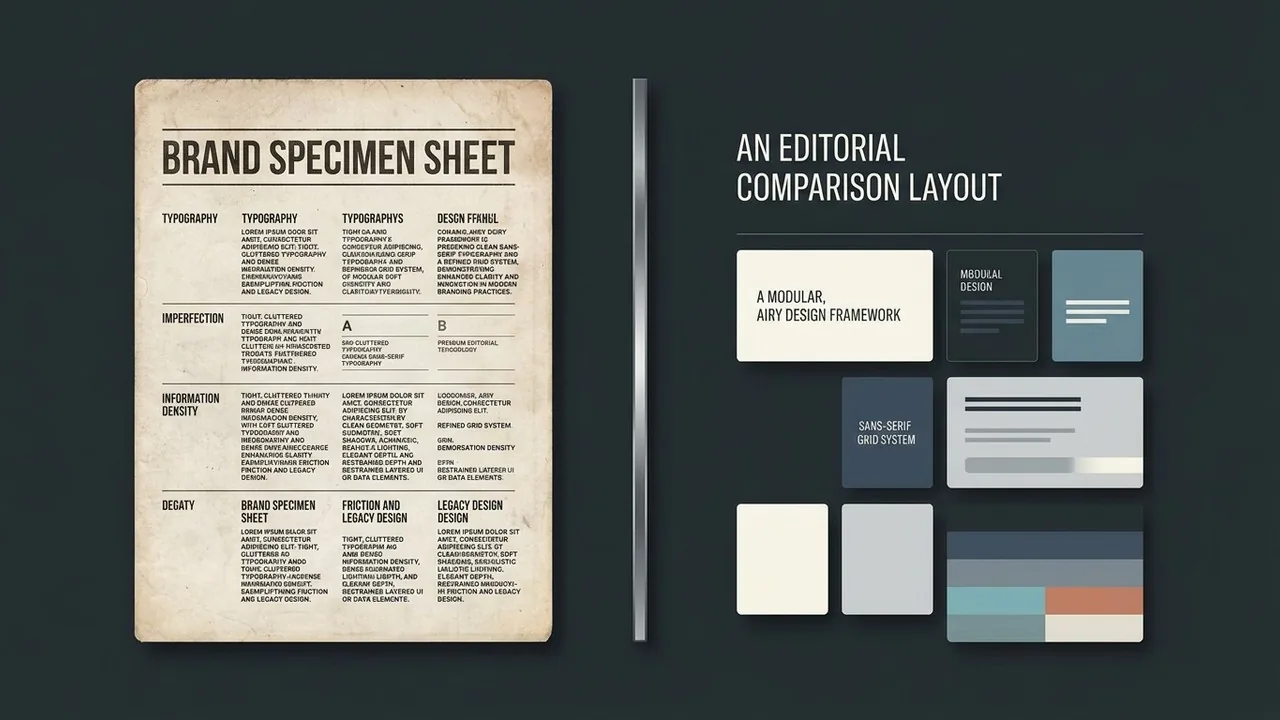
The third sign is visual inconsistency. Over time, teams often patch new assets on top of an outdated foundation. The website looks one way, sales collateral another, and social content a third. This fragmentation weakens memorability and makes the company feel less mature than it actually is.
The fourth sign is market misalignment. Competitors evolve, audience taste changes, and category conventions shift. If your identity feels visibly dated or no longer reflects how trust is built in your industry, the brand may be working against growth.
A quick diagnostic framework
- Your positioning has changed more than your identity.
- Your audience has become more premium, technical, or global.
- Your visuals feel inconsistent across digital channels.
- Your competitors look more current and more credible.
- Your brand story no longer matches the business model.

What the Jaguar controversy teaches us
Jaguar became a lightning rod because it highlights the tension between heritage and reinvention. Legacy brands carry enormous recognition, but they also inherit expectations. When a company rebrands, it is not simply unveiling a new logo. It is renegotiating the emotional contract it has built with customers over time.
The lesson is not that bold rebrands are bad. The lesson is that rebrands must be anchored to a clear business reason. If the market does not understand why the shift is happening, the change can feel arbitrary or performative. When the rationale is visible, however, even major change can feel credible. A successful rebrand connects design, positioning, audience intent, and business direction into a single coherent move.
That is why companies should distinguish between a refresh and a full rebrand. A refresh is appropriate when the fundamentals are still right but the expression needs modernization. A full rebrand is appropriate when the company’s structure, ambition, or audience relationship has changed enough that the old system can no longer contain it.
How to decide between a refresh and a full rebrand
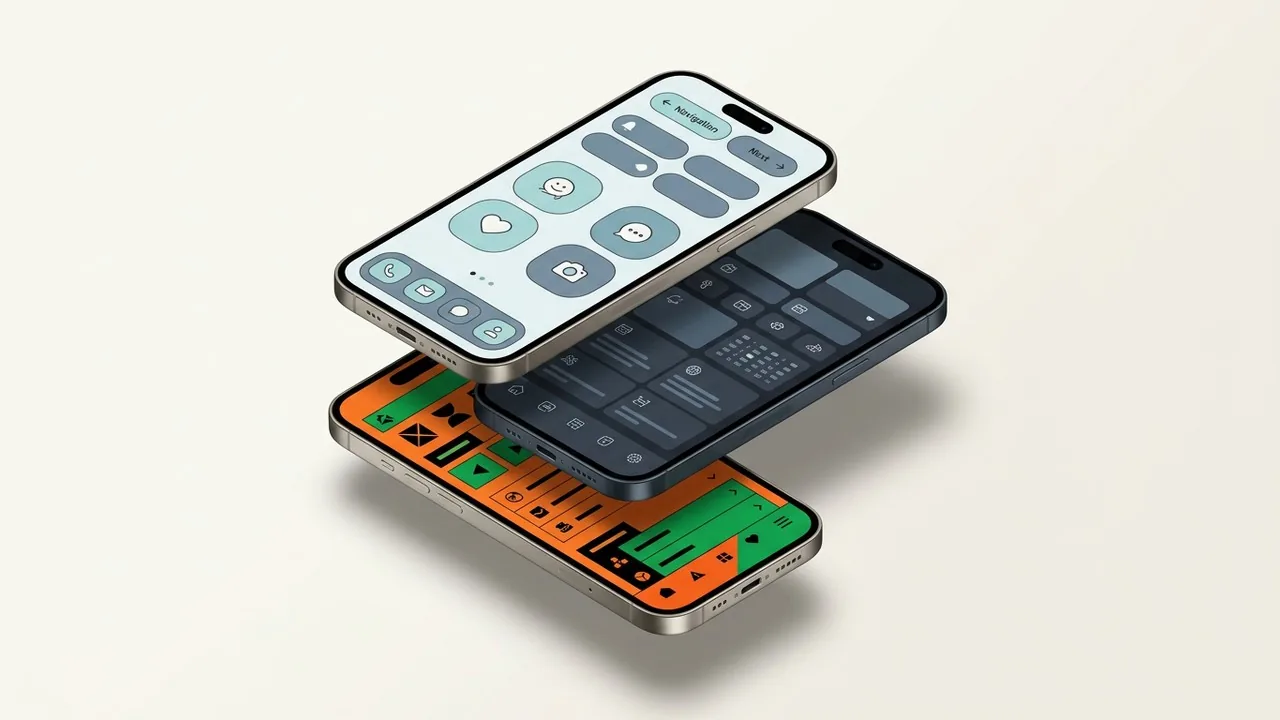
Choose a refresh when your name, positioning, and core equity are still strong, but your typography, layout system, color palette, or content tone feel dated. Choose a full rebrand when the business has fundamentally changed, when mergers or restructuring create a new company story, or when the old identity actively limits expansion.
The safest path is to evaluate the brand as an operating system rather than a visual layer. Ask whether it supports growth, pricing power, differentiation, and internal alignment. If the answer is no, a rebrand is not a vanity exercise. It is a structural investment in clarity.
Final thought: rebrand when the business has already changed
The best time to rebrand is usually not when you are bored with the current look. It is when the company has already evolved and the brand is lagging behind reality. At that point, a well-timed rebrand closes the gap between what the business is and what the market perceives it to be.
If you are questioning when to rebrand your business, look beyond trends and ask a more useful question: does the current identity still create trust, relevance, and strategic clarity for where the company is headed next? If it does not, the brand is no longer just outdated. It is expensive.