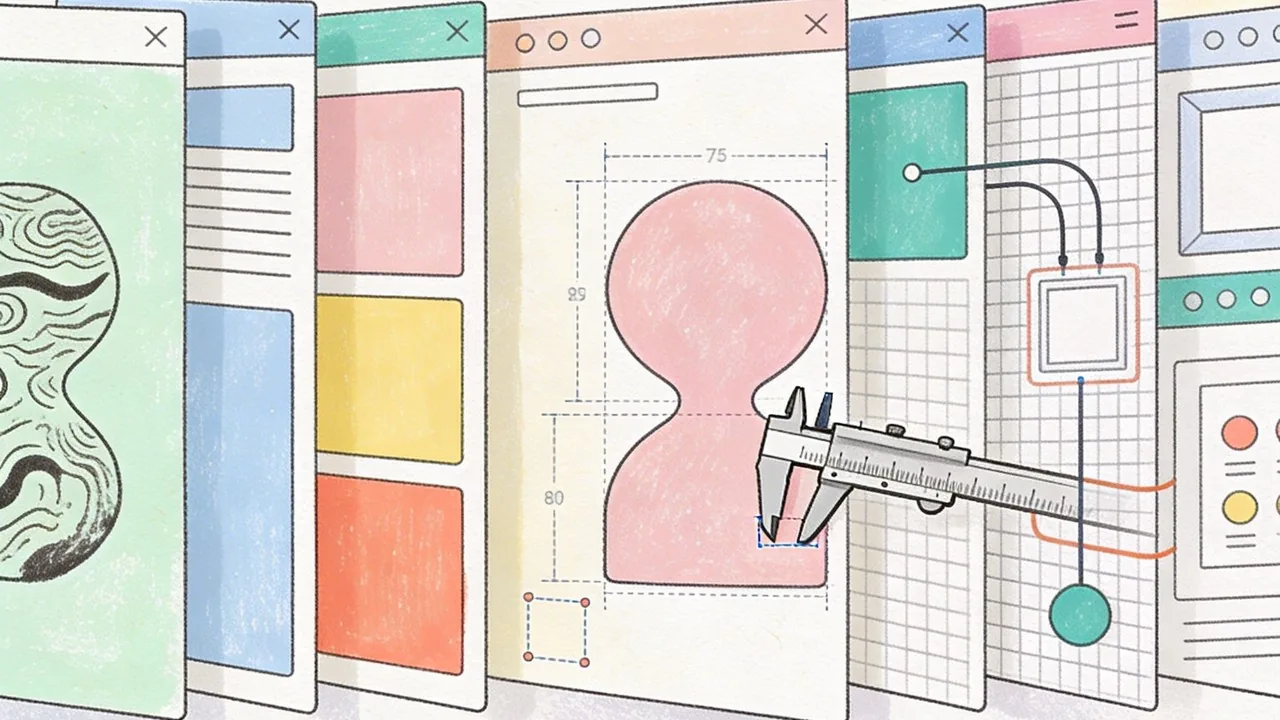
Typography is often the invisible thread that connects a culture to its digital future, and nowhere is this more evident than in the vibrant history of Vietnam. To truly understand the visual landscape of Southeast Asia, one must explore the evolution of Vietnamese typography: a journey from Chữ Nôm to modern digital design. This progression is not just about aesthetics; it is a complex tale of linguistic survival, colonial shifts, and technical ingenuity. From the intricate logograms of the past to the Latin-based script we use today, every character carries the weight of centuries of adaptation.[1]
As designers working in a global market, we recognize that the Vietnamese language presents unique typographic hurdles, particularly with its sophisticated system of diacritics. By looking back at the historical milestones of the script, we gain the necessary context to build more accessible and beautiful digital experiences. Whether you are a brand strategist or a UI specialist, mastering these nuances is essential for creating authentic connections in an increasingly connected world.
The Evolution of Vietnamese Typography
The story of how Vietnam writes is a fascinating mirror of its history, reflecting a constant push for cultural identity through various scripts. Long before the Romanized characters we recognize today, the Vietnamese people navigated a world of complex logograms. This journey began with Chữ Hán, the classical Chinese script used for official administration and literature for over a millennium. While it served the elite, it was not a perfect fit for the distinct sounds and nuances of the Vietnamese spoken language.
From Chữ Hán to Chữ Nôm
To bridge the gap between Chinese characters and their native tongue, Vietnamese scholars developed Chữ Nôm around the 13th century. This indigenous script used Chinese characters as building blocks, often combining them to represent Vietnamese words phonetically or semantically. It was a bold act of linguistic independence, allowing for a flourishing of local poetry and literature that felt more authentic to the Vietnamese soul. However, Chữ Nôm was notoriously difficult to master, requiring a deep knowledge of classical Chinese before one could even begin to learn the native variations.
The Birth of Chữ Quốc Ngữ
The most radical shift occurred in the 17th century when European missionaries arrived. Seeking a way to document the language and spread their teachings, they began transcribing Vietnamese sounds using the Latin alphabet. The most pivotal figure in this transition was Alexandre de Rhodes, whose work standardized the script into what we now know as Chữ Quốc Ngữ.
The publication of the Dictionarium Annamiticum Lusitanum et Latinum in 1651 was the defining moment for Vietnamese typography; it provided the first formal framework for a tonal language within a Western phonetic system.
This dictionary was more than a linguistic tool; it was the blueprint for the modern Vietnamese writing system. By mapping six distinct tones and a complex array of vowels onto the Latin alphabet, it laid the groundwork for the highly diacritical nature of the modern script. You can see how these early phonetic experiments evolved into the refined styles we use today by exploring the historical and modern examples curated at Vietnamese Typography[2].
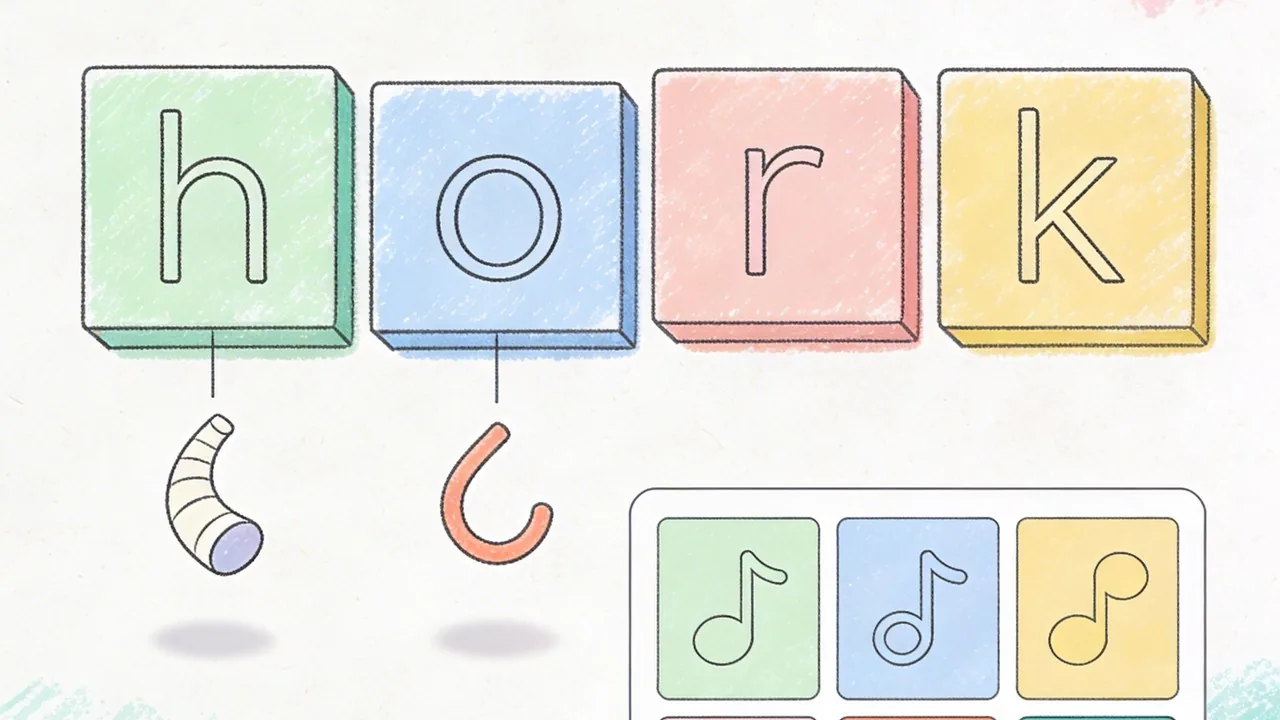
The Evolution of Vietnamese Typography: A Journey from Chữ Nôm to Modern Digital Design
The Anatomy of Tone Marks, Stacking Rules and Vertical Rhythm
Designing for Vietnamese is often described as the final boss battle for type designers. While the Latin alphabet is relatively straightforward, Vietnamese introduces a layer of complexity that demands extreme precision. Because the language uses six distinct tones, a single vowel can undergo multiple transformations. Designers must account for the primary letterform, the vowel quality mark such as the circumflex on the letter â, and a separate tone mark. This creates a vertical stacking challenge that can easily break the visual harmony of a layout if the line height is not carefully managed.
Quick Breakdown: The Five Tone Marks
- Sắc (Acute): High rising tone, placed above the vowel.
- Huyền (Grave): Low falling tone, tilting downward to the left.
- Hỏi (Hook): Mid-low dipping-rising tone, resembling a small question mark.
- Ngã (Tilde): High rising glottalized tone, requiring careful horizontal spacing.
- Nặng (Dot): Low glottalized tone, the only mark placed directly beneath the vowel.
The real technical hurdle lies in the horn and hook marks, which are essential for the letters ư and ơ. These are not merely decorative flourishes; they are fundamental phonetic indicators. When these marks are combined with tone indicators, the vertical rhythm of the text block is at risk. If a typeface is not built with these specific diacritics in mind, the marks often collide with the line above or appear cramped, which is why specialized knowledge is required to maintain legibility. You can find a detailed visual breakdown of these requirements at Vietnamese Typography[3].
In Vietnamese design, the white space between lines is not just aesthetic breathing room; it is a functional necessity that houses the complex architecture of our tonal history.

Colonial Influence and the Printing Press Era
The transition from woodblock printing to the modern printing press marked a seismic shift in the visual landscape of Vietnam. During the French colonial period, the administration sought to standardize the Latin script, known as Quốc Ngữ, to streamline governance and education. This shift was officially codified through government decrees that mandated the use of the Latin alphabet in public documents, effectively moving the nation away from the logographic Chữ Nôm and toward a phonetic system that required a entirely different typographic approach.
The French Influence on Typefaces
As French printing technology arrived in cities like Saigon and Hanoi, so too did European aesthetic sensibilities. Early Vietnamese typography was heavily influenced by French Didone and Transitional typefaces, characterized by high contrast and elegant serifs. However, printers quickly realized that standard European fonts were ill-equipped for the Vietnamese language. The necessity to stack multiple diacritics; such as a circumflex and a tone mark on a single vowel; forced local foundries to adapt. These technical constraints led to the creation of unique, vertically-compressed marks that allowed the text to remain legible even within the tight constraints of a metal type block.
Early 20th Century Publication Boom
By the early 1900s, a vibrant press culture emerged, fueled by the accessibility of the printing press. Newspapers and literary journals became the primary canvas for typographic experimentation. This era solidified the visual identity of Vietnamese media, where bold mastheads and dense, justified columns of text became the standard. The proliferation of printed material during this time helped normalize the appearance of the Vietnamese alphabet[4] for the general public, turning a once-foreign script into a cornerstone of national identity.
The Colonial Print Revolution:
- Standardization of Quốc Ngữ through official French administrative decrees.
- Introduction of Western metal type and the Didone aesthetic to local foundries.
- The rise of independent journalism, creating a distinct visual language for news.
- Technical adaptation of European fonts to accommodate complex stacked diacritics.
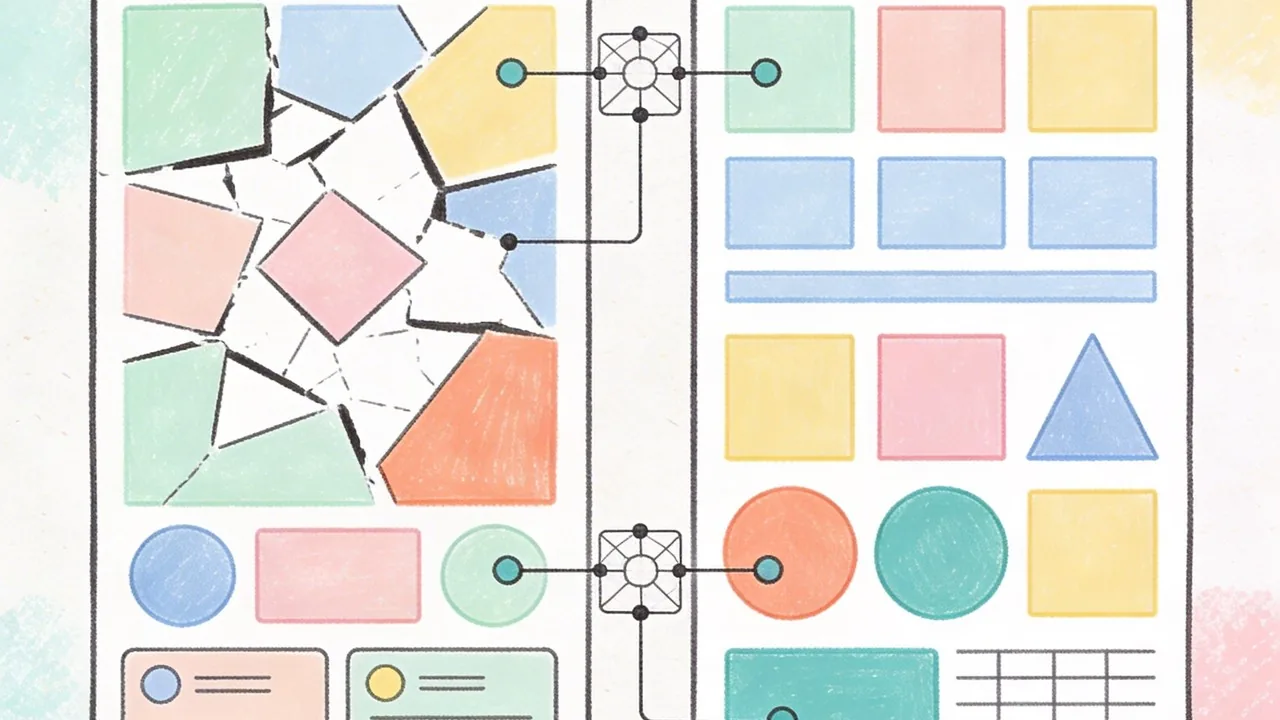
Modern Challenges: Designing for the Digital Age
As the world shifted from ink and paper to pixels and screens, Vietnamese typography faced a new set of technical hurdles. In the early days of personal computing, the lack of standardized encoding meant that Vietnamese characters often appeared as a mess of broken symbols or empty boxes. Even after the adoption of Unicode, many digital fonts were designed without an understanding of the Vietnamese language, leading to diacritics that were awkwardly placed, too small to read, or completely mismatched in style compared to the base characters.
The Struggle with Standardized Encoding
Before the universal adoption of Unicode, designers and developers had to navigate a fragmented landscape of encoding systems like VNI or TCVN3. This era was defined by the ‘broken diacritic’ phenomenon, where a beautiful layout could be ruined by a single font weight that didn’t support the full range of Vietnamese accents. Even today, many high-end Western typefaces neglect the specific kerning and vertical spacing requirements of Vietnamese, resulting in collisions between stacked diacritics and the lines of text above them.
| Feature | Poorly Designed | Correctly Designed |
|---|---|---|
| Diacritic Weight | Too thin or disconnected from the stroke. | Matches the weight and contrast of the base letter. |
| Vertical Stacking | Accents collide with the line of text above. | Generous leading and balanced mark positioning. |
| Placement | Centered mathematically, ignoring optical balance. | Adjusted optically for legibility and rhythm. |
The Role of Donny Trương and VietnameseTypography.com
In this digital wilderness, Donny Trương emerged as a vital voice for typographic excellence. Through his extensive research and the publication of Vietnamese Typography[5], he provided a definitive guide for designers to follow. His work moved the conversation beyond mere technical compatibility and into the realm of aesthetics, teaching the global design community how to treat Vietnamese accents as integral parts of the letterform rather than afterthoughts. For modern agencies, his insights remain the gold standard for creating inclusive, readable, and beautiful digital experiences.
Good Vietnamese typography is not just about technical correctness; it is about respecting the visual harmony and cultural identity embedded within the script.

Contemporary Trends in Vietnamese Type Design
Today, we are witnessing a vibrant renaissance in the Vietnamese creative scene. Digital design is no longer just about adapting Western tools to fit local needs; it is about reclaiming the visual narrative. Local designers are increasingly moving away from generic system fonts and exploring how the unique stack of diacritics can become a central design feature rather than a technical hurdle to overcome.
Local Type Foundries and New Voices
A new generation of Vietnamese type designers and independent foundries is emerging, blending classical calligraphic roots with ultra-modern aesthetics. These creators are developing custom typefaces that treat the hook, the horn, and the accent as rhythmic elements of the composition. This shift ensures that the language feels native to the screen, providing a level of legibility and personality that was often lost in the early days of digital publishing.
The Modern Design Approach:
- Prioritizing vertical spacing to prevent diacritic clashing in tight UI layouts.
- Developing custom weights that maintain stroke consistency across accented characters.
- Integrating traditional Vietnamese motifs into sleek, geometric sans-serif structures.
Balancing Tradition with Global UX Standards
In the world of high-end branding and UI/UX, the challenge lies in creating a look that feels international yet undeniably Vietnamese. At Align, we see this balance as the sweet spot for modern business. By utilizing specialized resources like the carefully curated type recommendations[6] from Donny Trương, designers can select fonts that meet rigorous global performance standards while honoring the specific linguistic nuances of the Vietnamese alphabet. This harmony between heritage and usability is what defines the next era of Southeast Asian digital identity.
Modern Vietnamese typography is the art of balancing complex linguistic marks with the minimalist demands of global digital interfaces.
Conclusion: The Future of Vietnamese Typography
The journey from the intricate strokes of Chữ Nôm to the streamlined efficiency of modern Latin-based scripts reflects the resilience and adaptability of Vietnamese culture. As digital landscapes continue to expand, the focus has shifted toward refining the technical execution of these characters. Designing for the Vietnamese language is no longer just about adding accents to existing fonts; it is about understanding the spatial rhythm and balance required to keep text legible on high-resolution screens. By embracing these historical lessons and applying them to contemporary web standards, designers can ensure that Vietnamese digital identities remain both culturally authentic and globally competitive.
Build a Brand That Speaks the Language of Design
Navigating the complexities of localized typography is essential for any brand looking to make a lasting impression in Vietnam. At Align, we understand that great design goes beyond aesthetics, as it requires a deep respect for linguistic nuance and user experience. Whether you are launching a new visual identity or optimizing a digital platform for performance, our team combines global UX/UI standards with local expertise to create seamless connections with your audience. If you are ready to elevate your brand through thoughtful, high-performance design, reach out to Align.vn today to start your next project.