The rules of web design have changed. What once meant clean layouts and fast load times now demands a far deeper understanding of how search engines and increasingly, artificial intelligence evaluate your website. In 2026, SEO and web design are no longer two separate disciplines. They are one.
According to WebDeveloper.com.ph, if you’re building websites in 2026 without thinking about SEO from day one, you’re essentially designing a high-performance car with no fuel. This guide walks you through the 10 most important SEO friendly web design trends shaping the industry right now and what you can do to stay ahead.
What Makes a Web Design SEO Friendly in 2026?
The definition of “SEO friendly” has expanded dramatically. It used to mean adding keywords to title tags and writing alt text for images. Today, it encompasses page architecture, rendering methods, accessibility standards, AI readability, and even how your animations are coded.
“SEO in 2026 is far more than placing keywords — search intent and tailored content determine whether users are satisfied and whether search engines prefer your site.” — WF Creative
The shift is clear: Google’s algorithms now interpret user intent with precision, AI tools summarize your content directly in search results, and developers sit at the center of it all. A poor technical decision slow rendering, broken schema, inaccessible navigation can tank your rankings before a single piece of content goes live.
10 SEO Friendly Web Designs Trends 2026
Trend #1: Core Web Vitals 2.0: Performance Is the New Design Principle
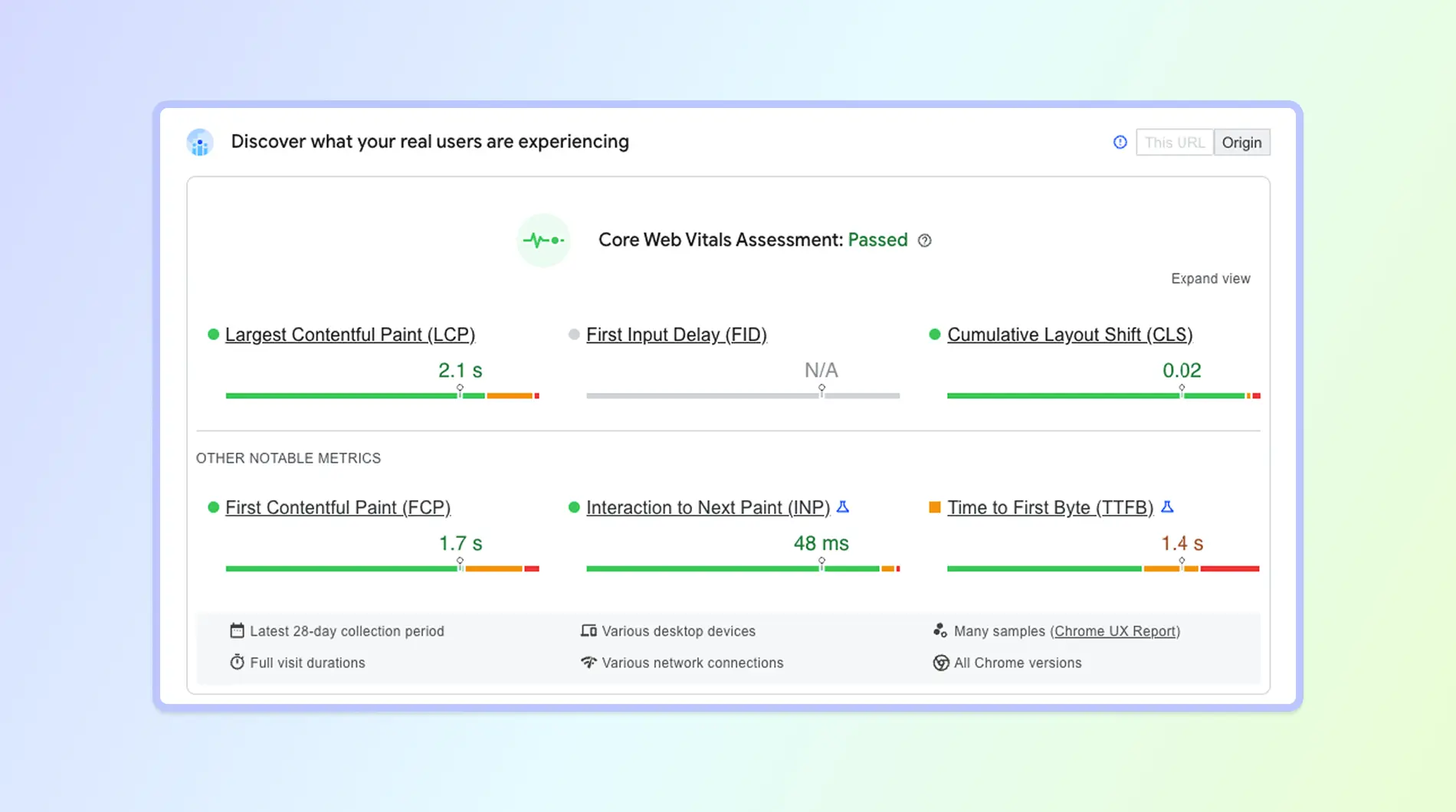
What Core Web Vitals 2.0 Measures
Google’s performance metrics Largest Contentful Paint (LCP), Interaction to Next Paint (INP), and Cumulative Layout Shift (CLS) have evolved. INP replaced First Input Delay in 2024 and now measures full interaction responsiveness, not just the first click.
Why Performance Directly Affects Rankings
Elementor’s 2026 Web Design Trends report puts it plainly: visitors have little patience for slow load times, and search engines are increasingly rewarding sites with designs optimized for speed. Performance is now a design principle, not an afterthought.
Quick wins for Core Web Vitals:
- Compress and convert images to next-gen formats like WebP and AVIF
- Lazy-load below-the-fold content
- Eliminate render-blocking scripts
- Set explicit width and height attributes on images to prevent CLS
Trend #2: Mobile-First Design: Beyond Just Being Responsive
Why Google Ranks Your Mobile Version First
Google has been mobile-first for years, but 2026 takes it further. As noted by WebDeveloper.com.ph, mobile-first is no longer just about responsive design. It’s about speed, interaction, and delivery at the edge.
The Rise of Progressive Web Apps (PWAs)
PWAs continue to blur the line between websites and native apps. They load fast, work offline, and deliver app-like experiences without the friction of app store downloads making them a strong choice for businesses prioritizing both UX and search visibility.
Trend #3: Accessibility-First Design for Better SEO
How Accessibility Signals Quality to Google
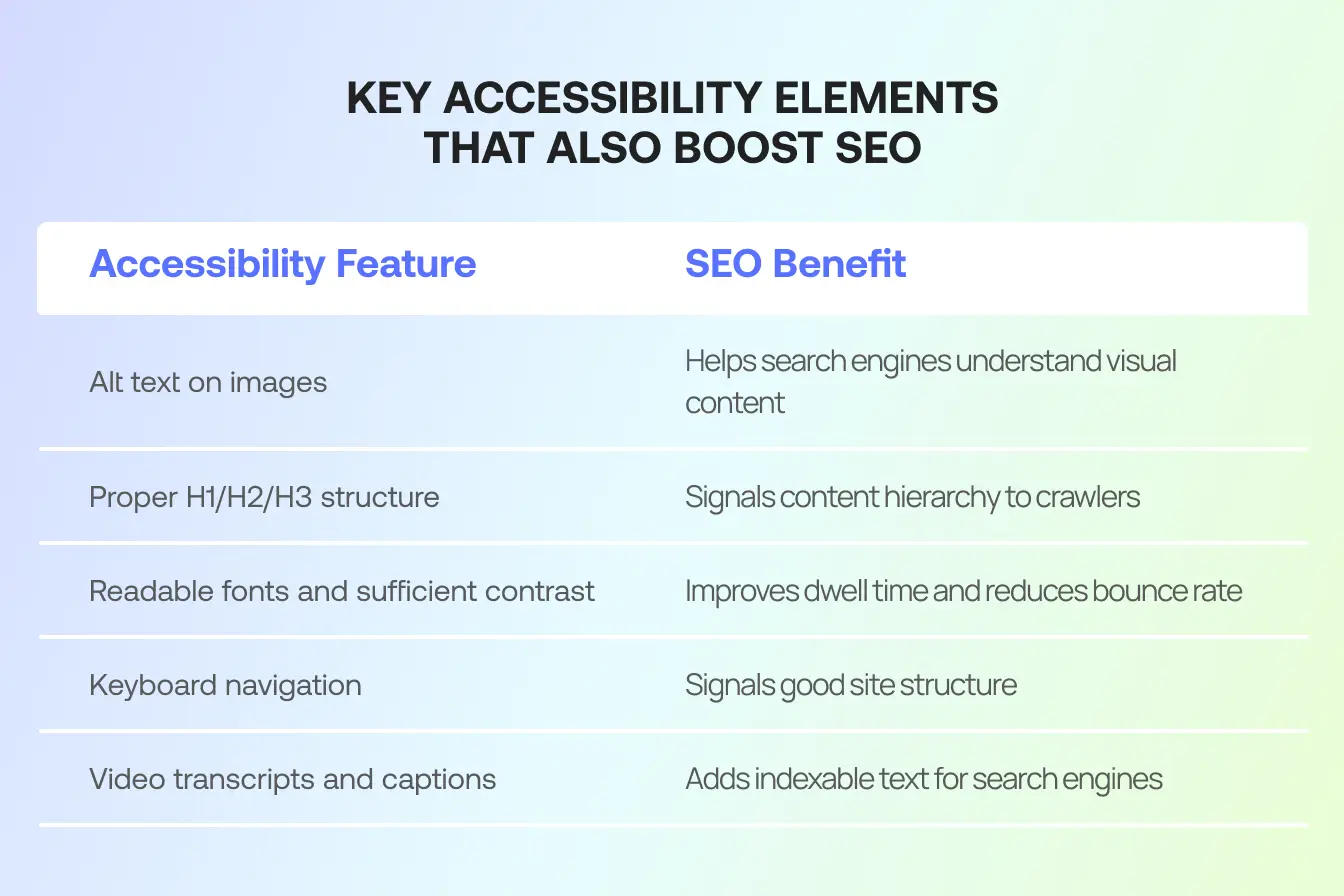
TheeDigital’s SEO Trends 2026 guide makes a critical point: when you design content that’s accessible to people with disabilities, you’re also making it more friendly for search engines. The connection is direct.
Key accessibility elements that also boost SEO:
Practical Fixes That Make an Immediate Difference
Start with your heading structure. A page with a clear H1, logical H2s, and supporting H3s is easier for both screen readers and Google to parse. From there, audit your image alt texts, check color contrast ratios, and ensure every interactive element is reachable via keyboard.
Trend #4: Structured Data and Schema Markup
Why Schema Is No Longer Optional
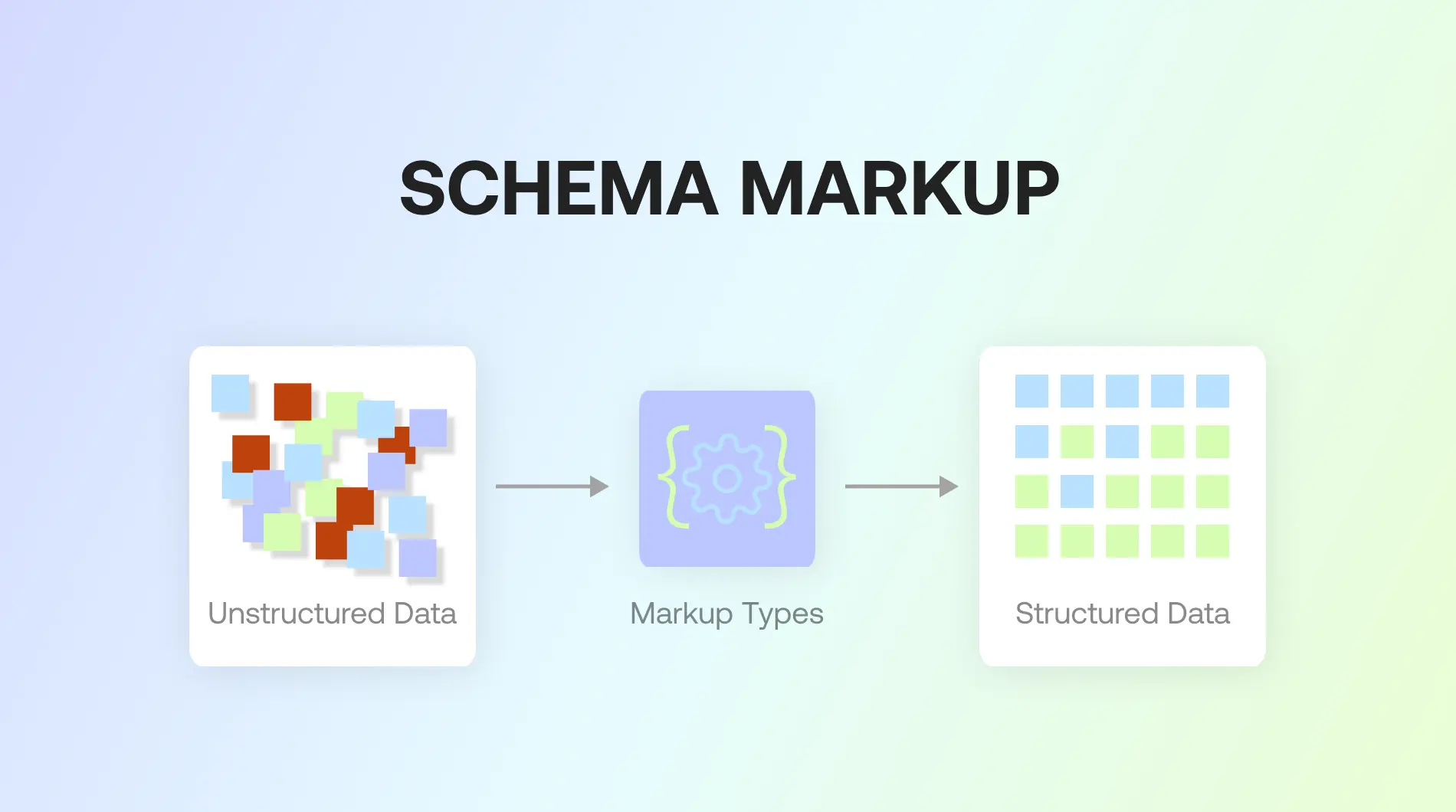
WebDeveloper.com.ph describes structured data as giving search engines a blueprint of your content. Without it, they guess. With it, they understand. In 2026, structured data also determines whether AI systems can cite your website in their responses.
Most Important Schema Types in 2026
- Article — for blog posts and news content
- FAQPage — captures featured snippet opportunities
- HowTo — ideal for tutorial-style content
- Product and Review — critical for e-commerce
- BreadcrumbList — supports site navigation understanding
- Author — strengthens E-E-A-T signals
Trend #5: Server-Side Rendering (SSR) and Hybrid Rendering
SSR vs CSR: What Developers Need to Know
Client-side rendering (CSR) can create crawling blind spots. If Google has to “assemble” your content like flat-pack furniture, you risk missing pieces in the index. SSR delivers pre-built content that search engines can read immediately.
According to WebDeveloper.com.ph, in 2026, SSR or hybrid rendering is the safest SEO approach with frameworks like Next.js and Nuxt.js making it far more accessible for development teams.
Trend #6: Generative Engine Optimization (GEO)
SEO Is No Longer Just About Ranking: It’s About Being Cited
AI search has changed the game. Google’s AI Overviews, conversational search tools, and generative responses now summarize content directly in search results. This introduces a new concept: Generative Engine Optimization (GEO).
“In 2026, SEO isn’t just about ranking — it’s about being cited by AI. If your site isn’t technically accessible, AI systems will skip it.” — WebDeveloper.com.ph
How to Design Content That AI Can Extract
TheeDigital recommends writing in self-contained “chunks” modular content blocks that can stand alone when extracted by an LLM. Use conversational phrasing, comprehensive topic coverage, and clear entity relationships throughout your copy.
Trend #7: Agentic AI in Web Design

Websites That Optimize Themselves
Digital4Design’s 2026 Web Design Trends report calls Agentic AI the top web design trend of 2026. Unlike reactive AI, agentic systems observe user behavior, detect patterns, and automatically update layouts, content, and navigation — without manual input.
For developers, this means building websites that are architecturally flexible enough to support AI-driven content and layout updates. Think modular component systems, dynamic heading structures, and performance-monitored internal links.
Trend #8: Purpose-Driven Motion Design
Animation Is an SEO Risk If Done Wrong
Heavy animations slow down websites and hurt Core Web Vitals scores. As Digital4Design notes, modern web design companies focus on light, fast motion that does not affect load time aligning with Google’s emphasis on speed and usability.
Micro-Interactions That Keep Users Engaged
Purpose-driven motion includes:
- Button feedback and hover states
- Progress indicators on forms
- Success messages after user actions
- Scroll-triggered reveals that load progressively
These small signals improve the experience and keep users engaged longer — both of which are positive ranking signals.
Trend #9: Internal Linking Architecture
The SEO Roadmap Hidden Inside Your Website
TheeDigital describes a robust internal linking strategy as the backbone of a well-organized website a roadmap for both users and search engine crawlers. It distributes page authority, establishes topical relevance, and guides visitors toward high-value content.
Common internal linking mistakes to avoid:
- Using generic anchor text like “click here” or “read more”
- Orphaning new pages with no internal links pointing to them
- Overlinking from a single page, diluting authority
- Ignoring links between related cluster content
Trend #10: Topic Clusters and Semantic Content Structure
The Smarter Way to Organize Your Website for SEO
WF Creative identifies topic clusters as one of the most striking trends in SEO 2026, directly replacing traditional keyword strategies. Instead of targeting isolated keywords, topic clusters build authority around a subject area with one pillar page supported by multiple in-depth cluster articles.
How URL Structure Signals Topical Authority
Your URL architecture reinforces your content hierarchy. A clean structure like /seo/web-design/core-web-vitals signals to Google that these pages are semantically related and part of a broader topical framework. Combined with strong internal linking, this is one of the most powerful SEO friendly web design decisions you can make.
SEO Friendly Web Design Checklist for Developers in 2026
Use this checklist before every site launch or redesign:
- Core Web Vitals pass on both mobile and desktop
- Site is built mobile-first with edge delivery considered
- All images have descriptive alt text
- Heading hierarchy is logical (one H1, nested H2s and H3s)
- Schema markup is implemented for all key content types
- SSR or hybrid rendering is used (not pure CSR)
- Content is written in modular, AI-readable blocks
- Animations are lightweight and do not impact LCP or CLS
- Internal links use descriptive anchor text
- URL structure reflects topic cluster architecture
Final Thoughts
SEO friendly web designs in 2026 are not about tricks or technical shortcuts. They are about building websites that are fast, clear, accessible, and semantically rich sites that both humans and AI systems can understand and trust.
The developers who win in 2026 will be the ones who stop treating SEO as a checklist item added at the end of a project and start treating it as a foundational design principle from day one.
Ready to Build a Website That Ranks?
Keeping up with 10 trends at once is no small task and implementing them correctly requires both technical depth and a clear SEO strategy. If you’re looking for a team that understands how SEO friendly web designs translate into real search visibility and business growth, Align.vn’s SEO Service is built exactly for that.
Align.vn follows a structured, transparent SEO process from technical audits and on-page optimization to content strategy and performance tracking. Whether you’re launching a new website or scaling an existing one, their team helps you align every design and content decision with what search engines actually reward in 2026.
👉 Explore Align.vn’s SEO Process here and take the guesswork out of ranking.