


The rise of AI has changed many fields, including graphic design. A lot of people are asking if graphic design is still a good career choice or if AI will eventually make designers unnecessary. This isn’t just a hypothetical question; surveys show that up to 80% of creative professionals are worried about losing their jobs as AI technology gets better (Adobe’s 2023 Future of Digital Experience Report).
AI-powered design platforms like Canva, Midjourney, DALL-E, and Adobe Express are becoming more and more popular for tasks that used to be done only by trained professionals, especially in small business branding and content marketing. But Align says this: No, the answer is no. AI can help make quick graphics and make design tasks easier, but it doesn’t have the one thing that makes graphic design powerful: the human touch. In fact, research in the field shows that AI can make designs quickly and cheaply, but it still isn’t good at things that need real creativity and a personal touch. (Forrester).
We’ll talk about why AI, even though it can do a lot of amazing things, probably won’t replace the need for skilled graphic designers in this article. We’ll talk about the special skills that designers have, the problems that AI has when it comes to creative work, and how this technology might be best used as a powerful tool instead of a replacement for human talent.

People are worried about AI coming into the design world, but Align says that AI is not a threat; instead, it gives designers new chances if they know how to use it. AI design tools like Midjourney and DALL-E can make images quickly and consistently, but their work often lacks the depth and creativity that a human designer can bring to the table. In real life, these tools work best for small, low-budget projects or for clients who care more about speed than originality. AI still has a hard time copying the most important parts of good design: creativity, critical thinking, and connecting with clients.
AI’s Role in Generating “Good Enough” Designs: One of AI’s best features is that it can quickly make “good enough” visuals that are good enough for clients or small businesses that don’t need one-of-a-kind or custom designs. Adobe’s 2023 Future of Digital Experience Report says that AI-generated design is popular for things like social media graphics and templated content because it is quick and cheap. AI-generated design might be helpful for a small business that needs a logo or a social media post quickly and doesn’t have the money to hire a designer.
But brands that want to stand out in a crowded market often need a more personalised approach. Forrester says that high-value clients are more likely to look for designs that fit with a specific vision or identity than with generic visuals. When this happens, AI-generated designs can’t match the depth and creativity that a good designer can bring.

A brand’s true identity is more than just a nice logo or colour scheme; it needs a unique visual language that speaks to people. Align thinks that AI can put together designs from existing styles or ideas, but it can’t come up with a strong, cohesive brand story on its own. According to branding expert Marty Neumeier, “not what you say it is, it’s what they say it is.” He says that real brand identities are based on trust and emotional connections with the audience. When AI tries to make logos or other brand elements, it often ends up making a mix of designs that are similar to ones that already exist, which can make the brand less unique.
For example, if AI makes a logo for a luxury brand, it might not be able to capture the fine details that show exclusivity or sophistication, which are important for setting a luxury brand apart from its competitors. AI-generated designs are limited because they depend on data and styles that already exist. This can make them look generic or not really show what a brand is all about.

It’s important to know not only what a client wants, but also how their audience will react to a visual identity. This is a key part of the design process. Designers who have been doing it for a while know that good design isn’t just about how it looks. It’s also about how it fits into a bigger plan that meets the needs of the client’s brand and audience. AI doesn’t have this kind of contextual awareness right now, which is important for making good design work. AI can handle a lot of data, but it can’t figure out how people feel, what they want, or the cultural differences between them.
For example, think about a brand that wants to reach people who care about the environment. A human designer can give that brand a personality that appeals to eco-conscious customers by using natural colour schemes, organic shapes, and images that show how the brand is good for the environment. AI might make a logo or graphic that looks good, but it might not be able to connect with customers on an emotional level if it doesn’t know them well enough. AI can only help in these situations; the designer is in charge of the final vision.
A big part of professional design is going through an iterative process, which means getting feedback, making changes, and improving the work based on what the client says. This process is very collaborative, and designers often have to make changes to fit with the client’s changing vision. AI doesn’t have the flexibility or gut feeling that this back-and-forth process needs. It can give you a starting point or some initial ideas, but in the end, it needs human judgement to make the work better and more suited to the needs of each client.
Align thinks that AI tools are useful, but they can’t replace the skills that experienced designers bring to working with clients. For a lot of clients, the best part of working with a designer is the relationship and understanding that grows over the course of the project. AI can’t do what human designers can do: understand feedback, ask the right questions, and respond to a client’s changing needs in a natural way.
AI’s role in graphic design is best seen as a way to help, not replace, human creativity. Most industry experts and analysts agree that AI can’t come up with new ideas or creative ideas that are subtle, which means that human designers will still be needed for a long time to come. Gartner’s study on how AI will affect creative fields shows that AI will probably change tasks that are repetitive and structured. However, human creativity and design strategy will still be very important (Gartner).

Align doesn’t see AI as a competitor; instead, they see it as a way to make workflows easier and take care of more routine tasks so that designers can focus on more creative work. This collaboration between AI and designers creates new opportunities, making the design field an exciting and changing place where human creativity is still important.
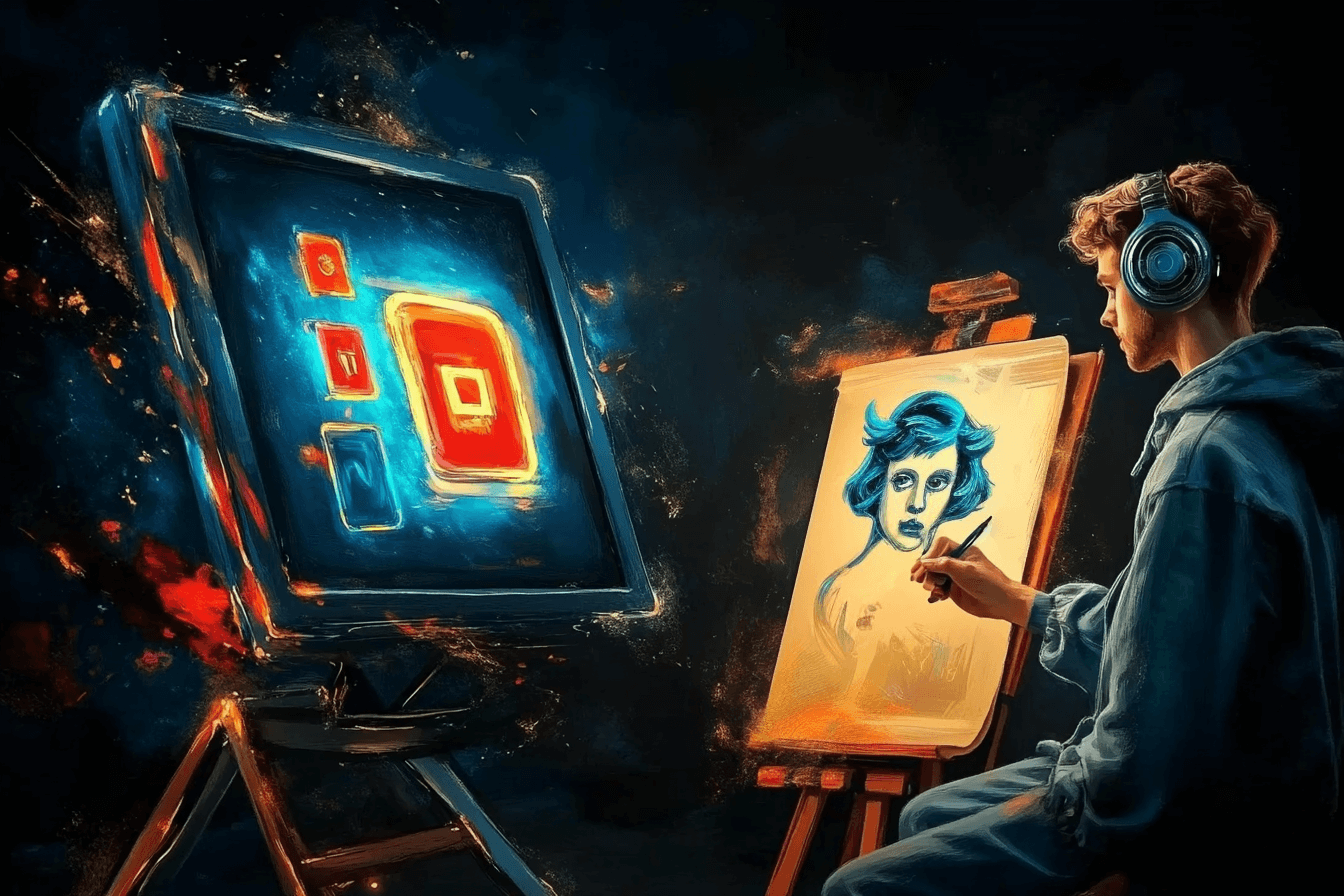
Designing well isn’t just about how things look; it’s also about making a message that people can relate to. A report from the World Economic Forum (WEF) says that creativity and emotional intelligence are two of the most important skills that AI can’t easily copy (Source: WEF). AI can make art by following prompts, but it doesn’t have the same level of understanding of what clients want and what audiences like that designers do.
An AI might, for instance, make a logo based on keywords but not pick up on the small details that set a luxury brand apart from a fun one. Professional designers not only make things, but they also talk to clients, change ideas, and make sure that the final product really shows off the brand’s personality and values.

There are some legal and moral problems with using AI for business projects, especially when it comes to copyright. Many AI models learn from huge datasets that include millions of pictures and works of art that are already on the internet. AI companies say that these models aren’t “stealing” artwork, but the fact that AI-generated content doesn’t always have clear origins can lead to unintentional copyright violations. According to a legal study from Stanford University, copyright laws are not clear about works made by AI, which could be a problem for both businesses and designers (Stanford Law Review).
Because of this uncertainty, a lot of agencies are being careful. Many businesses still value custom designs made by professional designers because they can make sure that all assets are legally obtained and licensed, even though they could lead to copyright disputes. Businesses can also create a unique brand identity with custom art instead of using assets that look like other designs.

AI has its flaws, but it can be a very useful tool if you know how to use it. For instance, Adobe recently added AI features to Photoshop that help designers save time on some repetitive tasks, such as removing backgrounds or making longer backgrounds for images. These tools help designers spend less time on repetitive, manual tasks and more time on creative work at a high level (Source: Adobe Blog).
Align’s philosophy is to let AI do what it does best, which is to make work easier and more productive, while letting human designers make the most important creative decisions. AI can also help in the early stages, such as making mood boards or quick sketches of ideas for brainstorming sessions. This way, AI becomes a helpful tool instead of a replacement, which lets designers work faster without losing quality or originality.

Design is more than just pictures and colour schemes; it’s a way to tell a story. Align believes that good design makes an emotional connection with people, and this connection needs a human touch. Forrester’s research shows that AI works well with tasks that have clear rules or patterns, but it doesn’t work as well with tasks that are more complicated and require emotion, like making ads or brand messages that have an effect.
Think about a project with a lot on the line, like making a logo for a global launch or planning a campaign for a big brand. AI may be able to come up with ideas quickly, but only a skilled designer can understand a brand’s values, work with stakeholders, and make changes to the details through several rounds of revisions. For the time being, and probably for a long time to come, AI just doesn’t know what makes design connect with people on a personal level.

In conclusion, AI is having a bigger and bigger effect on graphic design, but it is best seen as an extra tool rather than a replacement. AI can’t match the creativity, emotional intelligence, and flexibility that human designers have. Designers add value in ways that go beyond just being able to do the job. For example, they can create unique brand stories and connect with clients. So, if you want to be a designer or already are one, see AI as a friend on your creative journey. You can improve your work and push the limits of what’s possible by using AI wisely, all while keeping the unique human element front and center.


