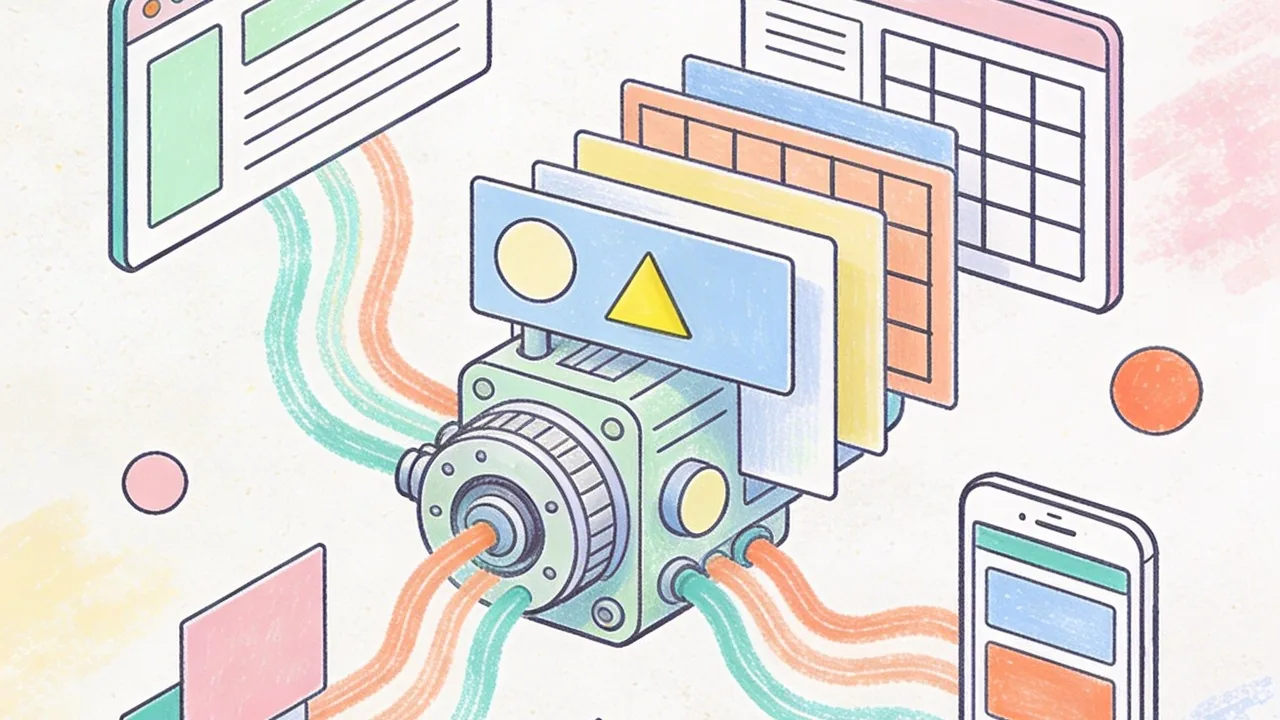
In the high-stakes world of digital growth, speed is often the only real competitive advantage. High-performance brands launch campaigns weekly and update platforms daily, yet many find their momentum stalled by the manual labor of pixel-pushing. When every new asset requires a designer to start from a blank canvas, production becomes a bottleneck that stifles innovation. This is precisely why design automation has shifted from a luxury to a fundamental business requirement for companies that refuse to slow down.
Implementing design automation is not about replacing human creativity with robotic templates; it is about building the infrastructure that allows your brand to breathe at scale. By moving away from one-off tasks and toward structured, repeatable workflows, teams can maintain a flawless brand experience across every touchpoint without increasing operational complexity. Modern digital leaders treat design like software, using systems to ensure that quality remains high even as the volume of output explodes. When your design process is automated, your team stops fighting fires and starts focusing on the big ideas that actually move the needle.
What Is Design Automation?
At its core, design automation is the strategic use of systems, rules, and software to generate or manage design outputs at scale. It represents a fundamental evolution in how we build digital products; moving away from the era of manual pixel-pushing and toward a future defined by systemic logic. Instead of a designer manually resizing fifty banners or adjusting hex codes across dozens of screens, automation allows these tasks to happen instantly through pre-defined parameters.
Defining the automated creative workflow
An automated workflow functions as a bridge between high-level creative intent and final execution. It involves setting up triggers and actions; such as a developer updating a design token in a repository and seeing that change propagate across every mobile and web interface simultaneously. This shift ensures that brand consistency is a mathematical certainty rather than a manual hope. By offloading the repetitive production grunt work to intelligent software, design teams are finally free to focus on high-level strategy, user research, and the complex problem-solving that truly drives business growth.
The shift from manual pixels to systemic rules
The transition to design automation mirrors the way software engineering evolved through the use of reusable components and libraries. Modern brands no longer view design as a series of static files; they view it as a living system. According to insights from the Figma blog, design systems and automated workflows create a powerful business case by drastically reducing the time spent on design debt and maintenance. When your brand is governed by systemic rules, every new page or feature inherits the intelligence of the entire system, allowing your digital presence to scale without the typical growing pains of a manual creative process.[1]

Why High-Performance Brands Require Design Automation
For rapidly growing brands, the traditional creative workflow often becomes its own worst enemy. As the volume of digital touchpoints increases, the reliance on manual execution creates a friction point that slows down every department from marketing to engineering. High-performance brands thrive on speed and experimentation; they cannot afford to wait days for a simple asset variation when the market moves in hours.
Eliminating the design team bottleneck
When design automation is absent, senior designers often find themselves trapped in a loop of repetitive tasks like resizing banners or adjusting padding for different screen sizes. This manual labor acts as a bottleneck, preventing the creative team from focusing on the high-level strategy and user experience improvements that actually move the needle. By automating these low-level decisions, brands free up their most expensive talent to solve complex business problems rather than pushing pixels.
The hidden cost of manual visual updates
Design debt is a silent killer of digital agility. Every time a designer manually tweaks a component without a systemic foundation, the brand moves one step closer to visual inconsistency. These small discrepancies accumulate over time, leading to a fragmented user experience that erodes trust. According to research on design system ROI from Figma, teams that utilize structured systems and automated components can complete tasks significantly faster, which directly mitigates the financial drain of manual maintenance and technical debt.[2]
Scaling content without losing brand integrity
Maintaining a cohesive identity across hundreds of landing pages and social campaigns is nearly impossible with a manual approach. Design automation ensures that brand integrity is baked into the code and the tools, making it impossible to use an off-brand hex code or an outdated logo. This allows brands to scale their content output exponentially while remaining confident that every single asset adheres to the core visual language, regardless of how many people are working on the project.
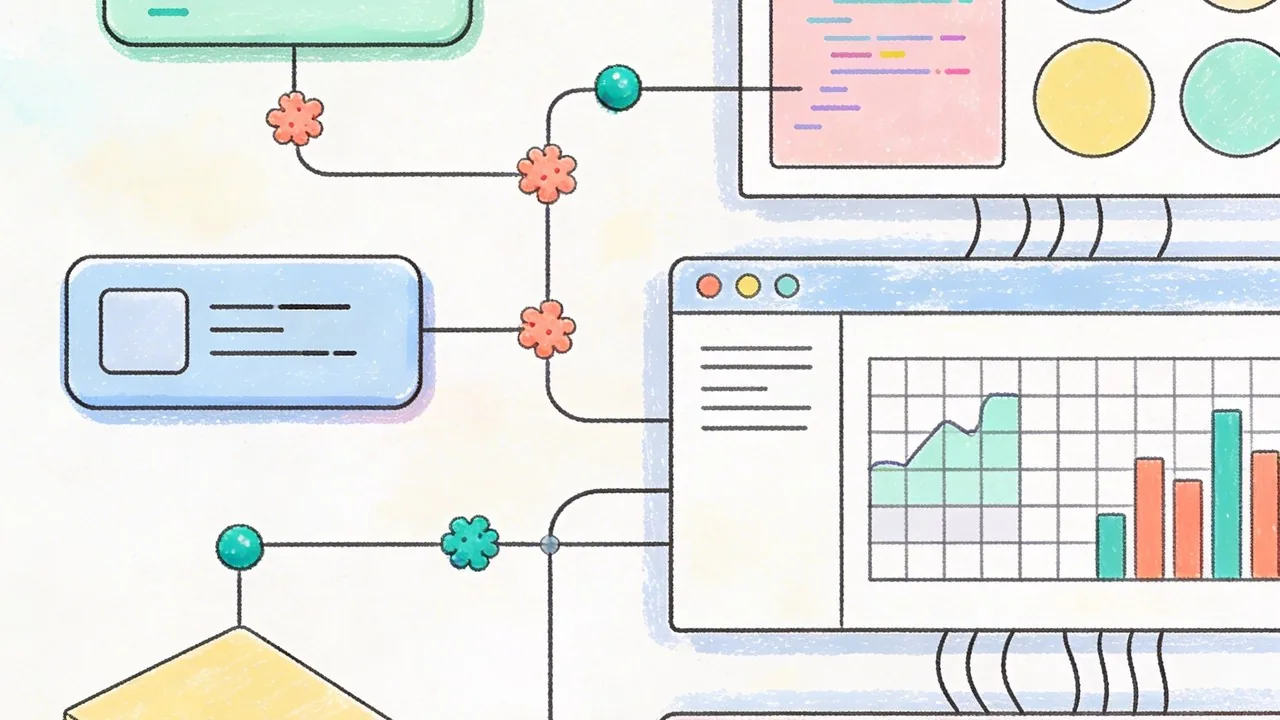
Design Automation and Systems: The Infrastructure of Scale
A design system serves as the blueprint for a brand, but without automation, that blueprint remains a static document that is difficult to enforce. When we integrate automation into the workflow, the system evolves from a set of rules into a living engine. This infrastructure allows teams to move away from repetitive pixel-pushing and toward high-level creative problem solving, ensuring that every design decision propagates across the entire digital ecosystem instantly.
Bridging design systems with execution
The real magic happens when the design system provides the structure while automation handles the heavy lifting of execution. Instead of designers manually updating a button style across fifty different screens, an automated pipeline ensures that a single change at the source reflects everywhere. This bridge reduces the friction between the conceptual phase and the final product, allowing brands to launch updates in hours rather than weeks.
The power of design tokens and component libraries
Design tokens are the fundamental DNA of a modern system, acting as the smallest building blocks like color, spacing, and typography. By naming these values and using them consistently, teams create a shared language that both designers and developers understand. When these tokens are fed into automated component libraries, the risk of visual inconsistency vanishes. This structured approach is why many leaders view these systems as essential business assets; as noted by the Design Systems Collective, turning Figma components into business value requires a shift from manual work to scalable, automated assets.[3]
Treating design like software
To remain truly agile, modern brands must treat their visual identity as code. This means adopting version control, automated testing for accessibility, and programmatic updates. When design is treated with the same rigor as software engineering, the brand becomes more resilient and easier to iterate upon, allowing for rapid pivots without breaking the user experience.
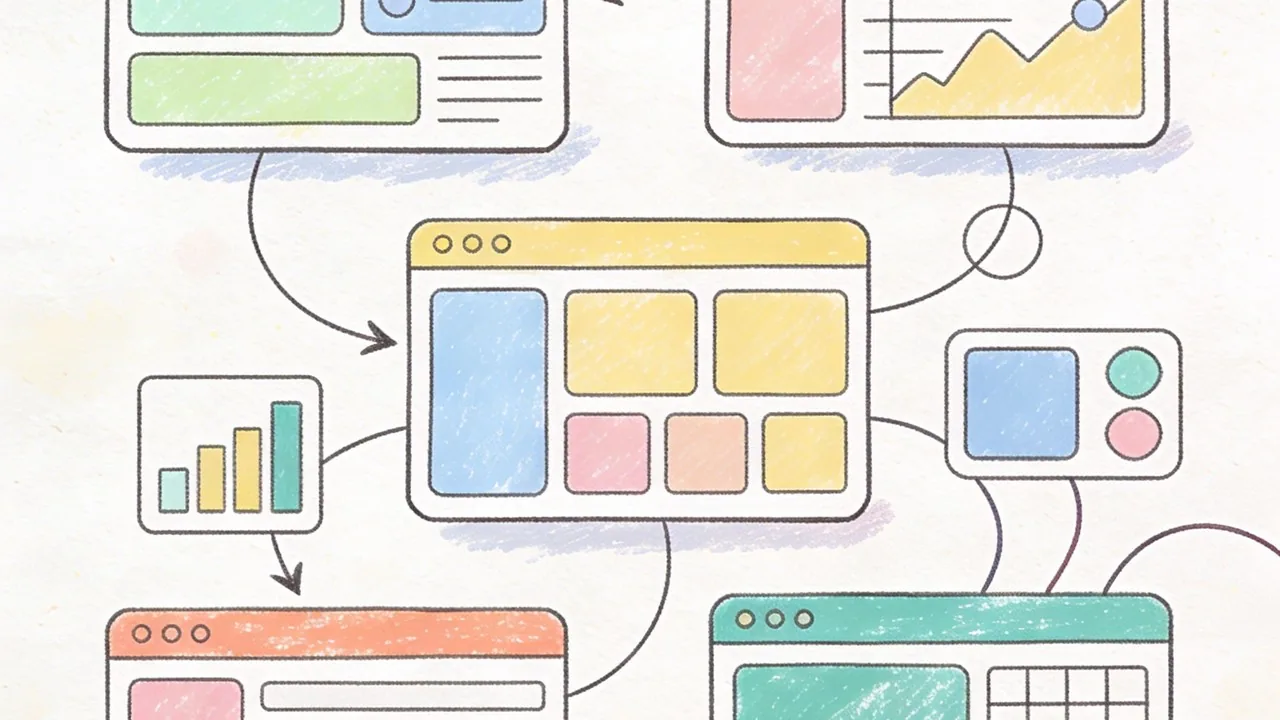
Core Applications for Design Automation in Modern Business
Design automation is no longer a futuristic concept; it is the engine behind the most successful digital-first companies. By moving away from pixel-pushing and toward high-level system management, brands can maintain a standard of quality that was previously impossible at scale. Here is how leading teams are putting these systems to work across their digital ecosystems.
Dynamic website and landing page generation
For global brands, localization and personalization are massive hurdles. Automation solves this by using CMS-driven layouts that automatically adjust based on content parameters. Instead of manually designing fifty versions of a landing page for different regions, designers build smart templates that reflow content, swap currencies, and adjust imagery based on user data. SaaS companies frequently use these systems to manage complex UI states and theme switching, ensuring that a user’s transition from light to dark mode or from a basic to a pro dashboard remains visually flawless without extra manual oversight.
Automated marketing and social content production
Marketing teams often face a bottleneck when requesting creative assets for multi-channel campaigns. Automation allows for the rapid generation of ad variations where typography, color palettes, and CTA placements are adjusted programmatically. By setting up master templates, a single design concept can be instantly exported into dozens of aspect ratios and formats for Instagram, LinkedIn, and display networks. This speed enables real-time A/B testing, allowing brands to see which visual drivers perform best and pivot their strategy in hours rather than weeks.
AI-driven design workflows and asset generation
The integration of AI into the design stack has fundamentally changed asset creation. From AI-powered image generation that creates unique brand photography to plugins that automate the tedious task of renaming layers or organizing files, these tools act as a force multiplier. Modern workflows now include AI assistants that suggest layout improvements or generate placeholder copy that matches the brand voice, allowing designers to focus on the high-level strategy that truly moves the needle for the business.
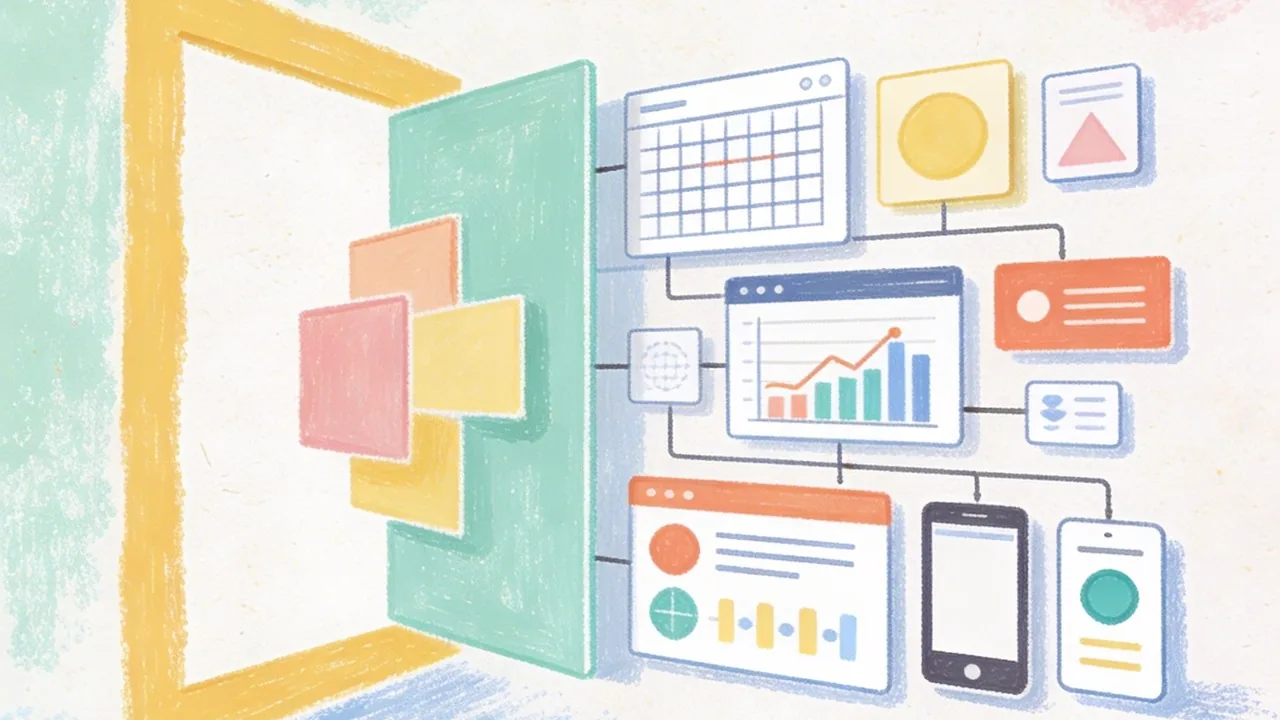
Maintaining Quality While Increasing Speed
A common misconception in the creative industry is that automation inevitably leads to a decline in craftsmanship. The fear is that by removing the manual touch, brands will end up with a sterile, cookie-cutter aesthetic. In reality, design automation acts as a high-fidelity filter. By codifying brand standards into logic-based rules, teams eliminate the human error that typically creeps in during late-night rushes or tight production sprints. When the foundational elements are pre-vetted, the final output remains polished and professional regardless of how fast the team moves.
Standardized excellence through reusable components
True scale is achieved when quality is systemic rather than individual. By utilizing a robust library of reusable components, designers ensure every button, card, and layout follows established accessibility and brand guidelines. This approach transforms the workflow from building from scratch to assembling with intent. According to the Design Systems Collective, organizations that successfully turn Figma components into business value see a massive reduction in design debt, because every automated output inherits the excellence of the original source code.[3]
Controlled output vs. creative freedom
Automation does not replace creativity; it protects it. By automating the repetitive, low-stakes tasks like resizing banners or formatting typography, designers gain the mental bandwidth to tackle complex strategic problems. This creates a healthy balance where the brand maintains a controlled, consistent output for high-volume assets while the creative team stays focused on innovation. Instead of fighting with pixels, designers spend their time defining the logic that governs the system, ensuring that every automated asset feels like a deliberate extension of the brand identity.
Conclusion: The Future of Frictionless Growth
Design automation is no longer a luxury reserved for tech giants; it is the essential engine for any brand that intends to stay relevant in a fast-moving digital landscape. By offloading repetitive production tasks to intelligent systems, your team gains the freedom to focus on high-level strategy and creative innovation. This shift reduces human error, eliminates design debt, and ensures that every touchpoint remains perfectly on-brand. As these technologies continue to evolve, the brands that embrace automated workflows today will be the ones leading the market tomorrow, enjoying a level of agility and consistency that manual processes simply cannot match.
Build Your Scalable Design Infrastructure with Align
Scaling a digital brand requires a sophisticated blend of creativity and technical precision. At Align, we are actively developing and implementing advanced AI automation systems to optimize every facet of the digital experience. Our expertise spans from AI content creation and custom search solutions to automated image generation and smart form handling. We help companies integrate workflow automation, auto-posting for social media, and AI-powered translations to make operations smarter and more effective.