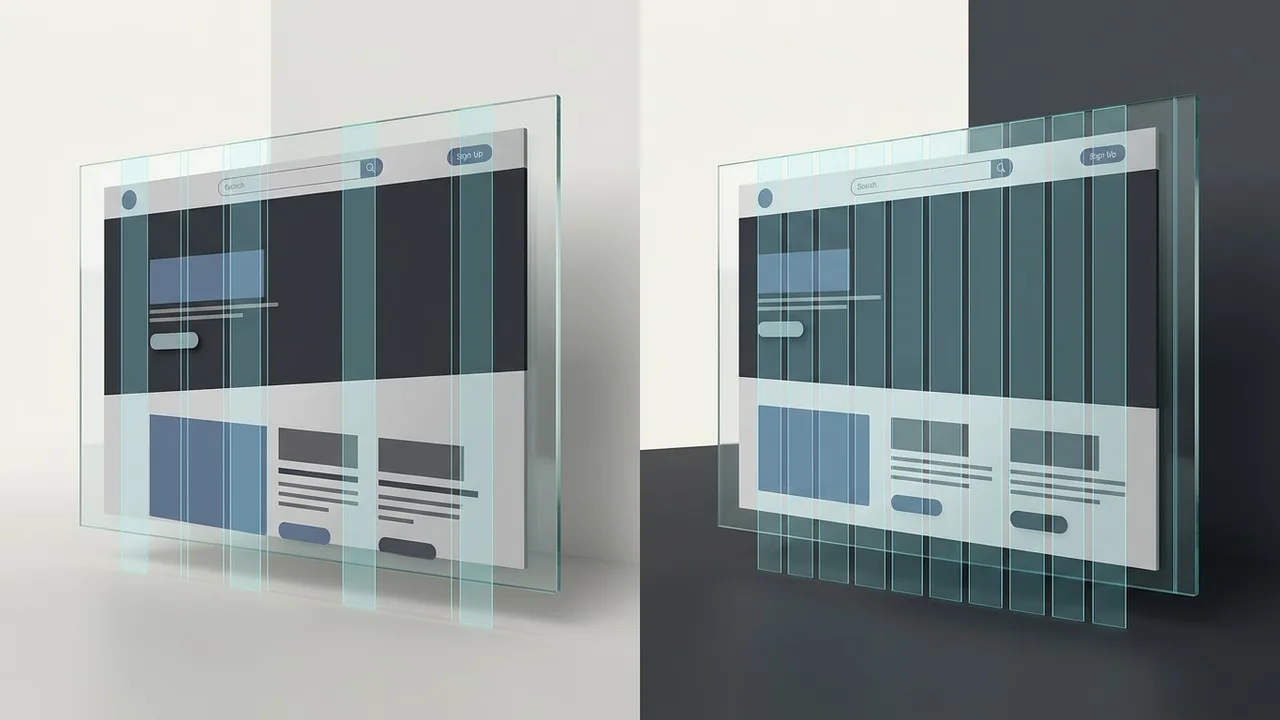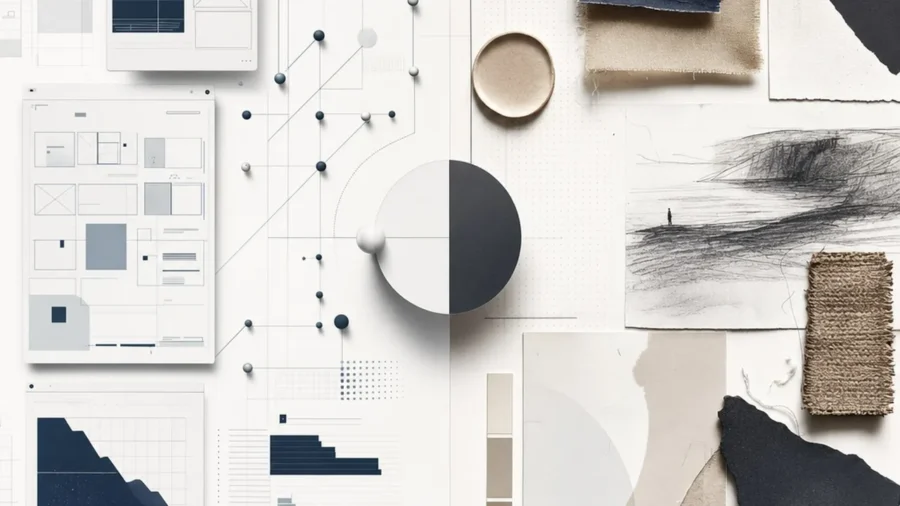
The debate surrounding ai vs human designers often feels like a battle for the soul of the creative industry, but the reality is far more nuanced than a simple replacement theory. While algorithms can generate layouts in seconds, they lack the lived experience and emotional intelligence required to build brands that truly resonate with people. We are moving away from a world of manual pixel pushing and entering an era of high level creative direction where the designer acts as the conductor of an automated orchestra.
As we look toward the next few years, the industry is undergoing a significant shift in how value is defined. According to Nielsen Norman Group, the field is facing a UX reckoning[1] that requires professionals to move beyond basic usability and toward deeper strategic impact. In the contest of ai vs human designers, the winners are those who use technology to handle the heavy lifting of iteration while doubling down on the empathy, storytelling, and complex problem solving that no machine can replicate. The future of design is not about choosing between silicon and soul; it is about mastering the collaboration between the two.
The State of Design in the Age of Algorithms: ai vs human designers
The design landscape is currently experiencing a seismic shift as generative tools like Midjourney and DALL-E 3 move from novelty experiments to integrated workflow staples. These platforms have effectively lowered the barrier to entry, allowing anyone with a prompt to generate high-fidelity visuals in seconds. However, this accessibility brings a new challenge for professional creatives: the rise of the ‘Commodity Design’ trap. When aesthetics become instant and cheap, the value of a designer can no longer reside solely in their ability to push pixels or execute a brief.
AI is a high-speed engine for iteration, but it lacks a compass. It is a powerful tool for generation, not a replacement for the strategic ‘why’ that drives a successful brand.
The rapid rise of generative tools
We are seeing an era where the technical execution of an interface or an illustration is increasingly outsourced to algorithms. This speed allows teams to explore dozens of visual directions in the time it once took to sketch a single concept. While this efficiency is staggering, it also levels the playing field, making technical proficiency a baseline rather than a competitive advantage.
Defining the ‘Commodity Design’ trap
As AI floods the market with technically proficient but emotionally hollow assets, we risk a sea of sameness. Commodity design happens when the focus shifts entirely to output over outcome. Without human intervention, AI tends to regress toward the mean, producing work that looks like everything else on the internet because it is trained on everything else on the internet.
Why the fear of replacement is misplaced
The anxiety surrounding ai vs human designers often stems from the misconception that design is merely production. In reality, the most critical parts of the process; empathy, ethical judgment, and business alignment; remain uniquely human. According to research on the State of UX 2026[2], designers must focus on deeper differentiation to stay relevant. The goal is not to compete with the machine on speed, but to lead the machine with vision.
The Human-AI Value Split:
- AI excels at rapid prototyping, pattern recognition, and asset scaling.
- Humans excel at stakeholder empathy, cultural nuance, and strategic problem-solving.
- The intersection of both creates high-impact, scalable brand experiences.
Where AI Wins: Speed, Scale, and Iteration: ai vs human designers
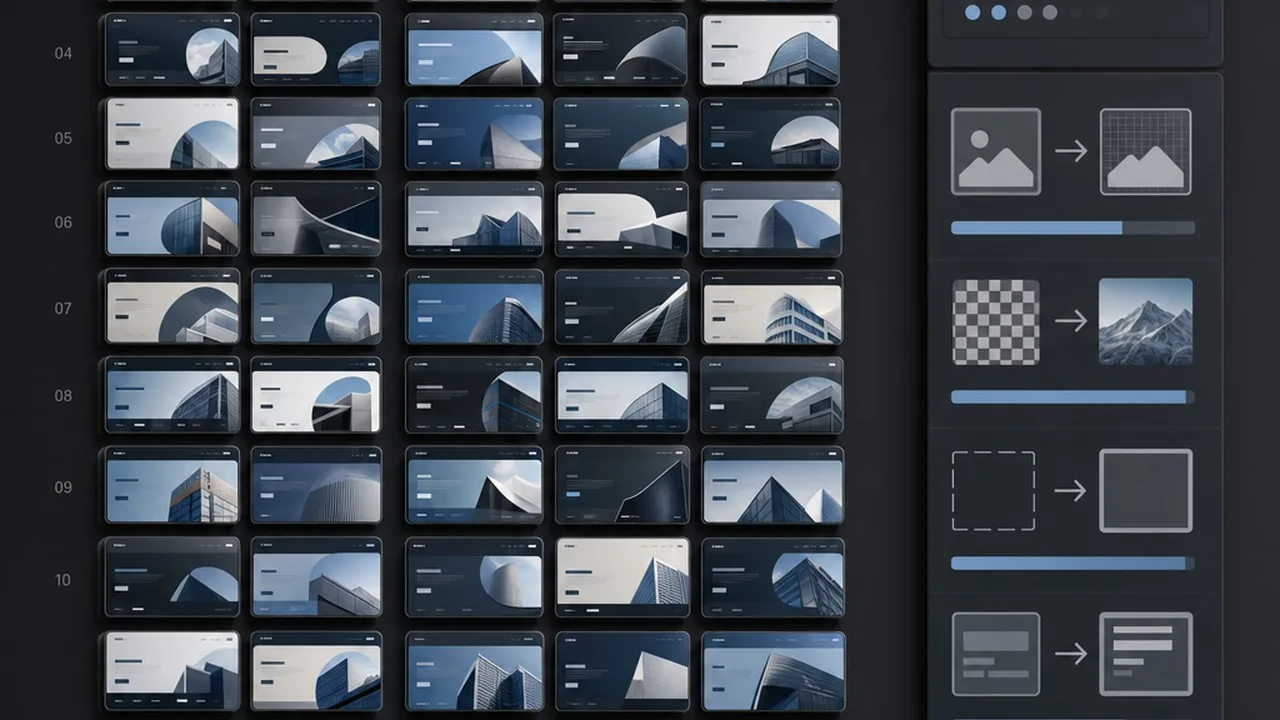
In the debate of ai vs human designers, it is impossible to ignore the sheer velocity that machine learning brings to the creative workflow. AI is not here to replace the spark of an idea, but it is certainly here to accelerate the journey from concept to reality. By handling the high-volume, repetitive tasks that once swallowed hours of a designer’s day, these tools allow teams to focus on high-level strategy and creative direction.
Rapid prototyping and moodboarding
Gone are the days of manually scouring stock sites for hours to build a single moodboard. AI can now generate dozens of stylistic directions and hero section variations in a matter of seconds; providing a visual sandbox where designers can test color theories, spatial layouts, and typography pairings before committing to a single pixel. This allows for a much broader exploration of the ‘what if’ scenarios that define great design.
Automating the ‘grunt work’ of production
The real magic happens in the production phase. AI excels at the tedious, technical chores that require precision but little creative soul. Whether it is upscaling a low-resolution asset for a billboard or instantly removing complex backgrounds from product photography, the machine handles the heavy lifting with surgical accuracy. This shift ensures that designers spend more time solving user problems and less time performing digital maintenance.
Data-driven layout testing
Beyond aesthetics, AI helps bridge the gap between intuition and performance. By analyzing vast datasets, AI tools can suggest layout adjustments that optimize for hierarchy and readability. As noted in the NN/g UX Podcast[3], the impact of AI on UX involves navigating both new innovations and the practical challenges of implementation, ensuring that speed never comes at the cost of usability.
Quick Summary Box: Tasks AI Handles Best
- Instant image upscaling and enhancement.
- Automated background removal and masking.
- Generating placeholder copy and localized content.
- Creating 50+ rapid variations of a single UI component.
- Scaling design systems across hundreds of screen sizes.
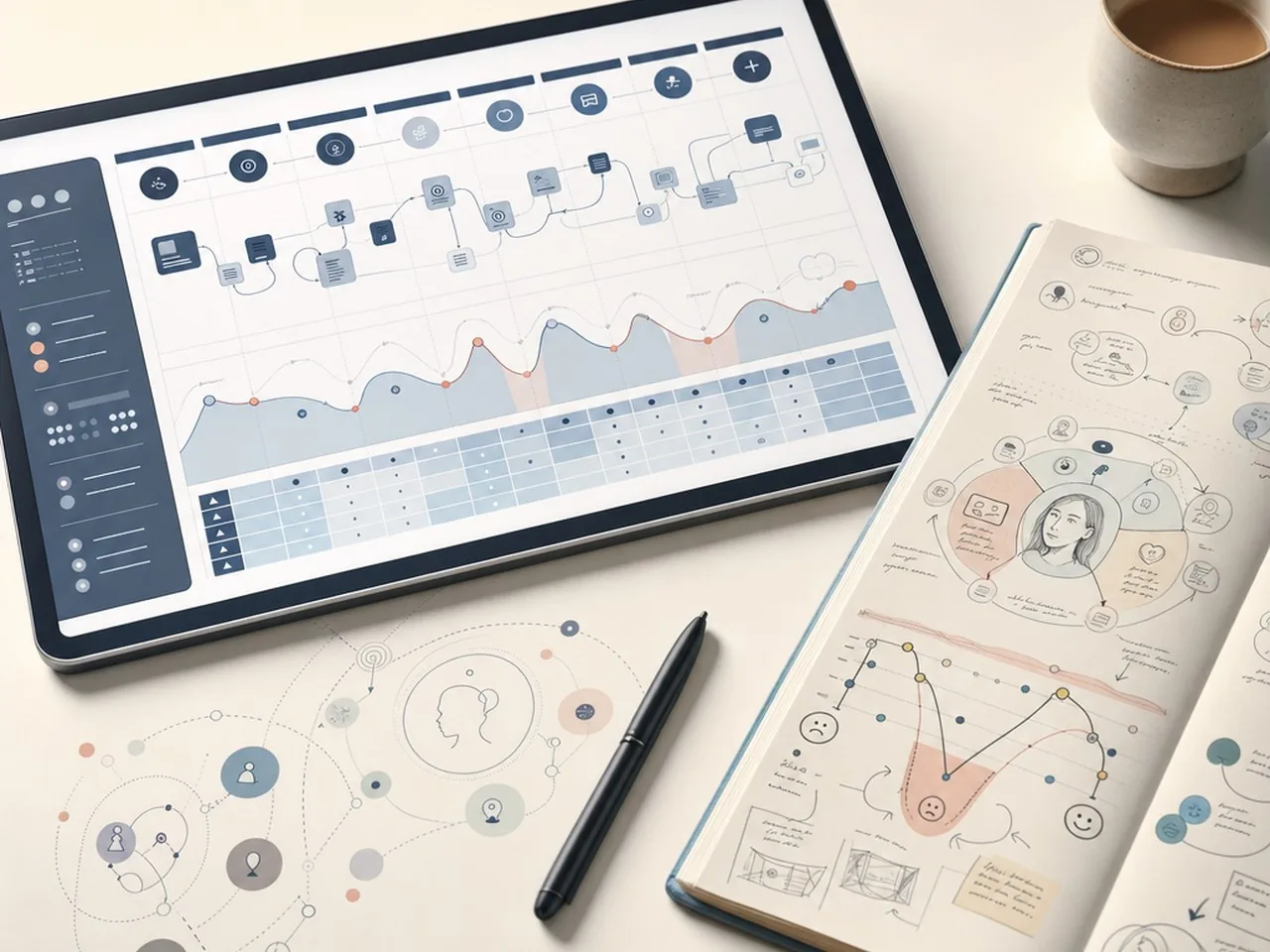
Where Humans Still Win: Empathy, Strategy, and Nuance
While algorithms are unmatched at processing data, they lack the lived experience required to understand why a user feels stuck or frustrated. AI can identify that a user dropped off at a specific checkout step, but it cannot empathize with the anxiety of a first-time homebuyer or the skepticism of a B2B executive. In the debate of ai vs human designers, the human ability to interpret subtle emotional cues remains our greatest competitive advantage.
Understanding complex user psychology
Design is rarely about following a straight line; it is about navigating the messy, often irrational nature of human behavior. Designers use intuition to look beyond what users say they want and uncover what they actually need. This level of psychological depth allows us to create experiences that feel supportive rather than just functional.
Solving business problems, not just visual ones
A beautiful interface is useless if it does not align with a company’s long-term vision. Humans excel at strategic synthesis; the ability to connect design decisions to market positioning, stakeholder goals, and technical constraints. We don’t just push pixels; we solve organizational puzzles that AI cannot yet perceive.
| Feature | Human Intuition | AI Pattern Recognition |
|---|---|---|
| Context | Deep understanding of culture and emotion. | Statistical probability based on training data. |
| Problem Solving | Identifies the ‘why’ behind user pain points. | Optimizes the ‘what’ based on existing flows. |
| Innovation | Can break rules to create something entirely new. | Recombines existing patterns into new variations. |
Brand storytelling that resonates emotionally
Great branding is built on shared values and narratives. Because AI does not have feelings, it cannot authentically replicate the ‘soul’ of a brand. It can mimic a tone of voice, but it cannot pioneer a movement or build a community based on shared human struggles. As highlighted in the NN/g 2025 UX forecast[1], the industry is moving toward a reckoning where high-level human strategy becomes more valuable than ever as routine tasks are automated.
AI is a mirror that reflects the past; human designers are the window that looks into the future.
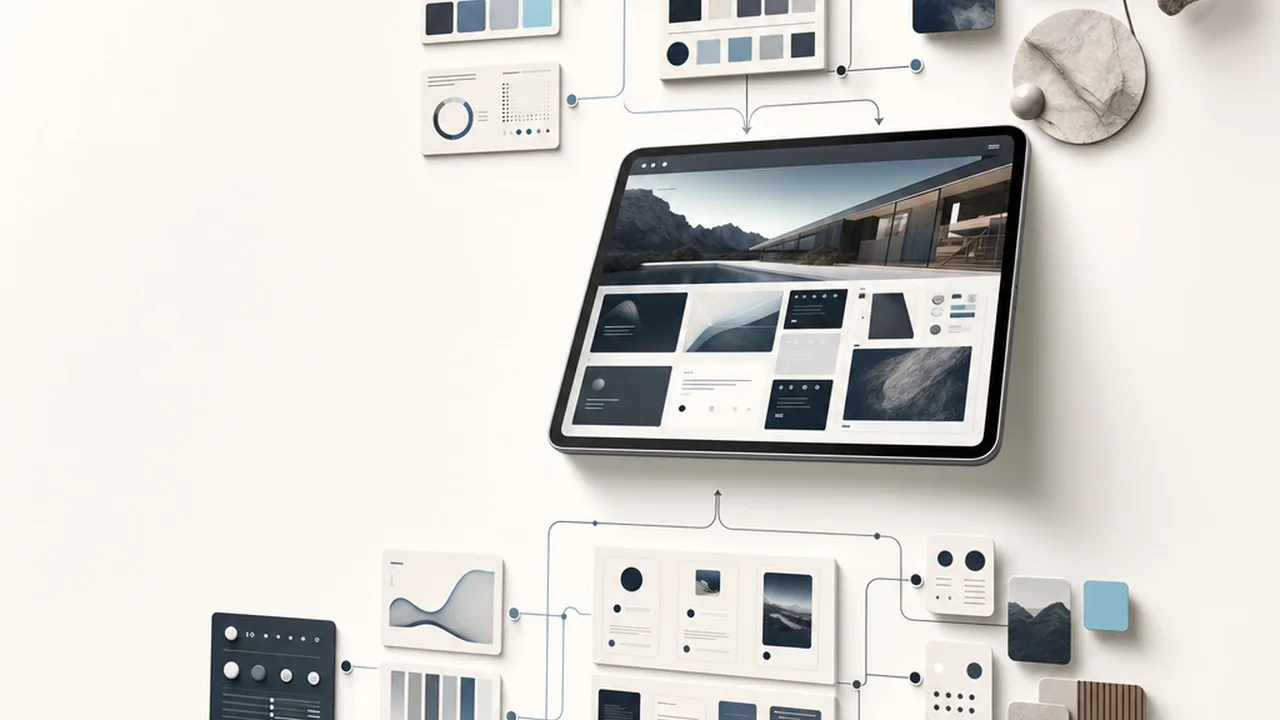
The ROI of Human-Led Design Strategy
While AI can generate thousands of layouts in seconds, the return on investment (ROI) of professional design isn’t found in volume; it is found in intentionality. Relying solely on automated tools often leads to a ‘race to the bottom’ where every website begins to look like the same generic template. This lack of visual distinction dilutes brand equity and makes it nearly impossible for a business to stand out in a saturated digital landscape.
Avoiding the ‘Uncanny Valley’ of AI aesthetics
AI models are trained on existing data, which means they are inherently derivative. When brands lean too heavily on AI-generated imagery or layouts, they risk entering a design version of the ‘uncanny valley’; where everything looks technically correct but feels hollow or slightly ‘off’ to the human eye. Human designers provide the critical curation needed to ensure a brand feels authentic, premium, and distinct from the sea of algorithmic sameness.
Ensuring accessibility and ethical inclusivity
Perhaps the most significant risk of an AI-only workflow is the oversight of accessibility and ethical bias. AI models can inadvertently replicate societal biases or ignore complex usability requirements. Achieving true WCAG compliance requires more than a plugin; it demands a human-led audit to ensure that navigation is intuitive for all users, regardless of their abilities. As noted by the Nielsen Norman Group[4], while machine learning can assist in the process, the nuances of UX research still require a human touch to interpret user needs accurately.
Maintaining brand consistency across touchpoints
A brand is a promise kept across every interaction. AI often struggles with the ‘big picture’ of a multi-channel identity, occasionally hallucinating colors or styles that drift away from the core brand guidelines. Human-led strategy ensures that every touchpoint; from a mobile app to a physical billboard; feels like it belongs to the same family.
The Strategy Advantage:
- Contextual Awareness: Humans understand market nuances that data cannot capture.
- Ethical Oversight: Proactive identification of algorithmic bias and accessibility gaps.
- Emotional Logic: Designing for how a user feels, not just where they click.
- Future-Proofing: Creating original visual languages rather than recycling past trends.
The Co-Creation Model: How Align Leverages Both
At Align, we do not view the ai vs human designers debate as a zero-sum game; instead, we treat AI as the ultimate force multiplier for our creative team. By integrating automation into the early stages of our workflow, we can bypass the blank-page syndrome and move straight into the high-level refinement that defines a world-class brand. This collaborative approach allows us to deliver sophisticated designs with a speed that was previously impossible, all without sacrificing the intentionality that makes a brand resonate.
Using AI to augment the creative process
We use AI tools to handle the heavy lifting of data synthesis, moodboarding, and rapid prototyping. By generating dozens of iterations in minutes, our designers can quickly identify visual directions that work and discard those that do not. This phase is about exploration; using algorithms to push the boundaries of color theory and layout before a human hand ever touches the final canvas.
AI provides the raw materials of creativity, but humans provide the meaning. The future belongs to those who use technology to scale their imagination, not replace it.
The ‘Human-in-the-Loop’ philosophy
Every output generated by an algorithm at Align undergoes a rigorous ‘human-in-the-loop’ review. We ensure that every pixel aligns with the client’s specific business goals and cultural context. As noted by the Nielsen Norman Group in their outlook on the UX reckoning for 2025[1], the focus of design is shifting toward more complex, human-centric problem solving that AI alone cannot navigate. We act as the editorial filter, correcting hallucinations and ensuring brand consistency across every digital touchpoint.
Focusing human energy on high-value innovation
By offloading repetitive tasks like image resizing, basic code generation, or asset variation to AI, our designers are free to focus on what truly matters: strategy, empathy, and innovation. We spend our time deep-diving into user psychology and crafting unique brand stories that create genuine emotional connections. This model ensures our clients get the efficiency of modern tech paired with the soul and craft of traditional design expertise.
The Align Co-Creation Framework:
- Discovery: AI-driven data analysis to uncover market gaps.
- Iteration: Rapid visual prototyping to explore diverse styles.
- Refinement: Human-led craftsmanship to perfect the UI and UX.
- Validation: Strategic oversight to ensure brand and accessibility standards.
Conclusion: The Synergy of Silicon and Soul
The debate surrounding ai vs human designers often frames the relationship as a zero-sum game, yet the reality is far more nuanced. AI serves as a powerful catalyst that accelerates the production cycle, while human designers provide the essential context, ethics, and emotional resonance that machines cannot replicate. By embracing this partnership, we move away from generic, algorithm-driven aesthetics toward a future where technology handles the heavy lifting and humans handle the heart. The most successful brands of tomorrow will be those that leverage the speed of artificial intelligence without sacrificing the intentionality and nuance that only a human perspective can offer.
Ready to Build a Brand That Stands Out in the AI Era?
In a digital landscape increasingly saturated with automated content, the value of authentic, human-led design has never been higher. At Align, we don’t just use tools; we master them to amplify our strategic vision. Our team blends cutting-edge technology with deep expertise in UX/UI and branding to create digital experiences that feel personal and purposeful. If you are looking to elevate your online presence with a design partner that prioritizes user psychology and strategic craft, we are here to help. Explore how we can transform your vision into a lasting brand at Align and let’s build something extraordinary together.